

Bathroom renovation quote in 48 hours
Fixed, itemised price from £4,200. Tenement specialists. Rated 4.8/5 on MyBuilder (228 reviews).
Our Bathroom Renovation Services in Glasgow
We offer a complete range of bathroom services, tailored to every home, budget, and taste. Our skilled tradespeople cover every trade — plumbing, tiling, electrical, plastering, joinery — coordinated for you on one programme, so there’s no juggling multiple contractors.
- Full Bathroom Renovation — Strip-out and complete refurbishment of your existing bathroom. New layout, new fixtures, new tiles, new everything. Ideal for dated bathrooms that need a full refresh.
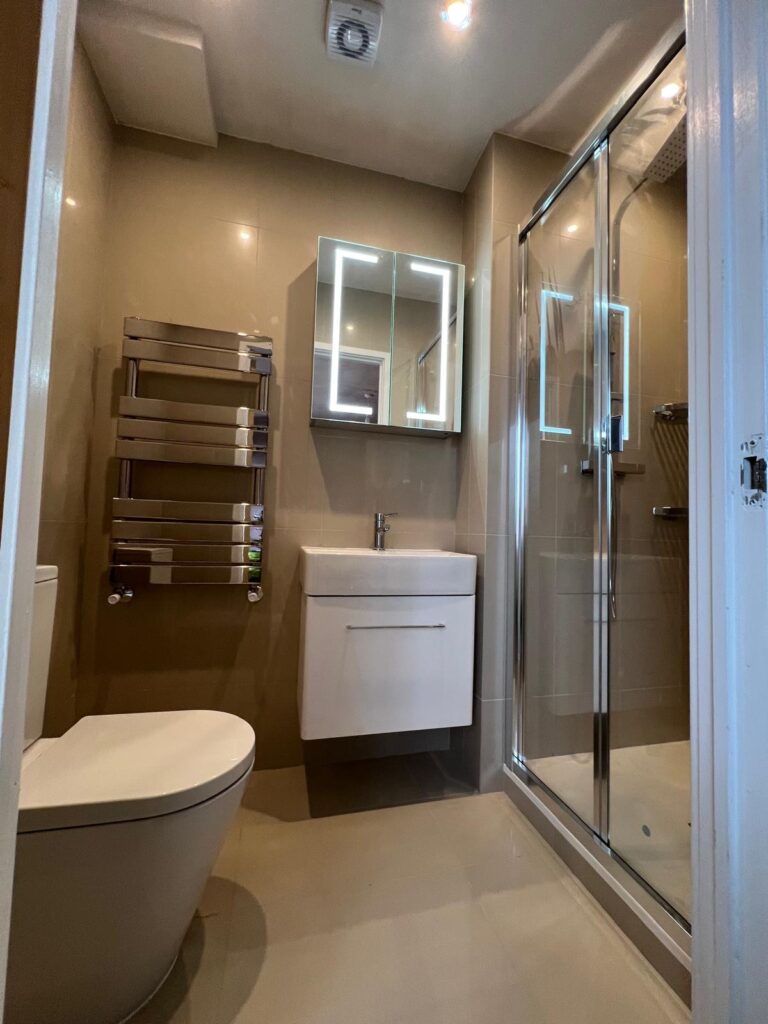
- En-Suite Installation — Transform a spare room or bedroom corner into a beautiful private en-suite. We handle all plumbing routing and partition walls as required.
- Wet Room Conversion — Convert a standard bathroom into a fully waterproofed, accessible wet room. Perfect for modern minimalist tastes or accessibility needs. See our dedicated wet room installation Glasgow page.
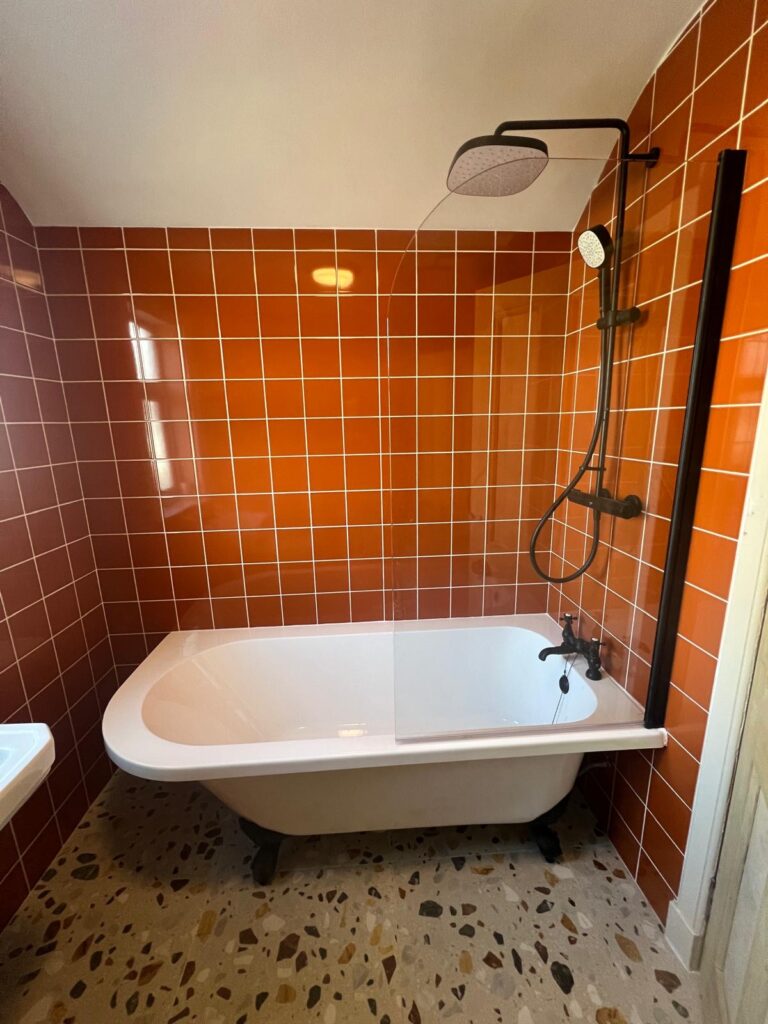
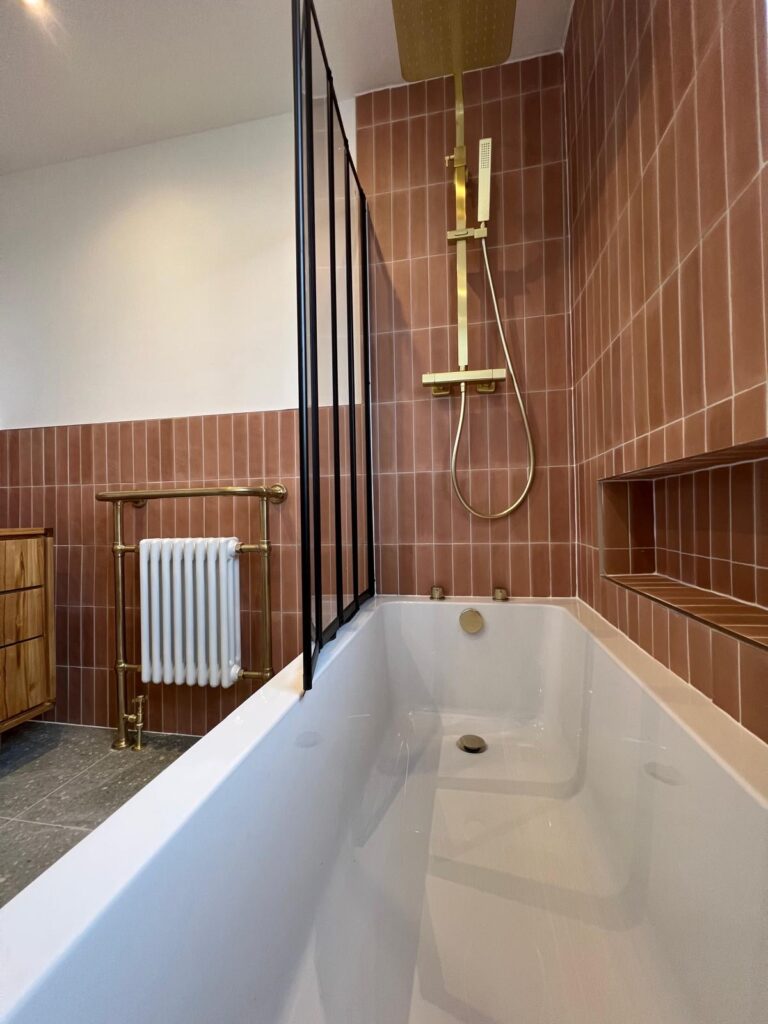
- Luxury Bathroom Fitting — High-end freestanding baths, designer sanitaryware, heated towel rails, underfloor heating, and bespoke tiling for a spa-quality result.
- Accessible Bathroom Adaptations — Walk-in showers, grab rails, low-level baths, and step-free layouts for elderly or disabled residents.
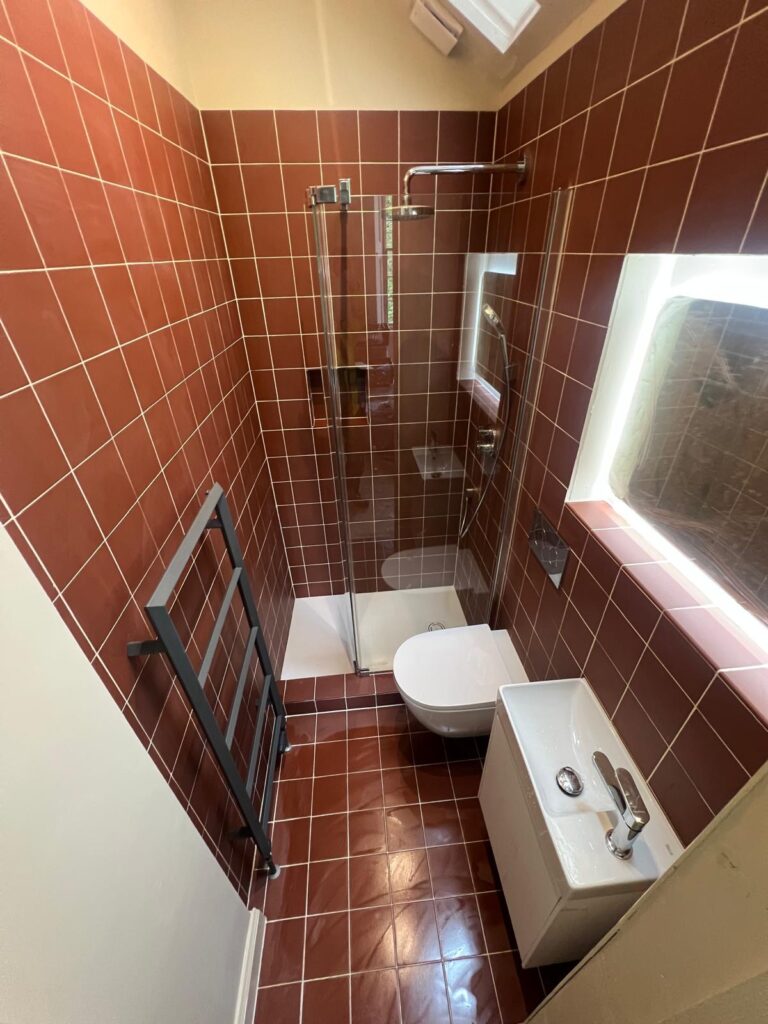
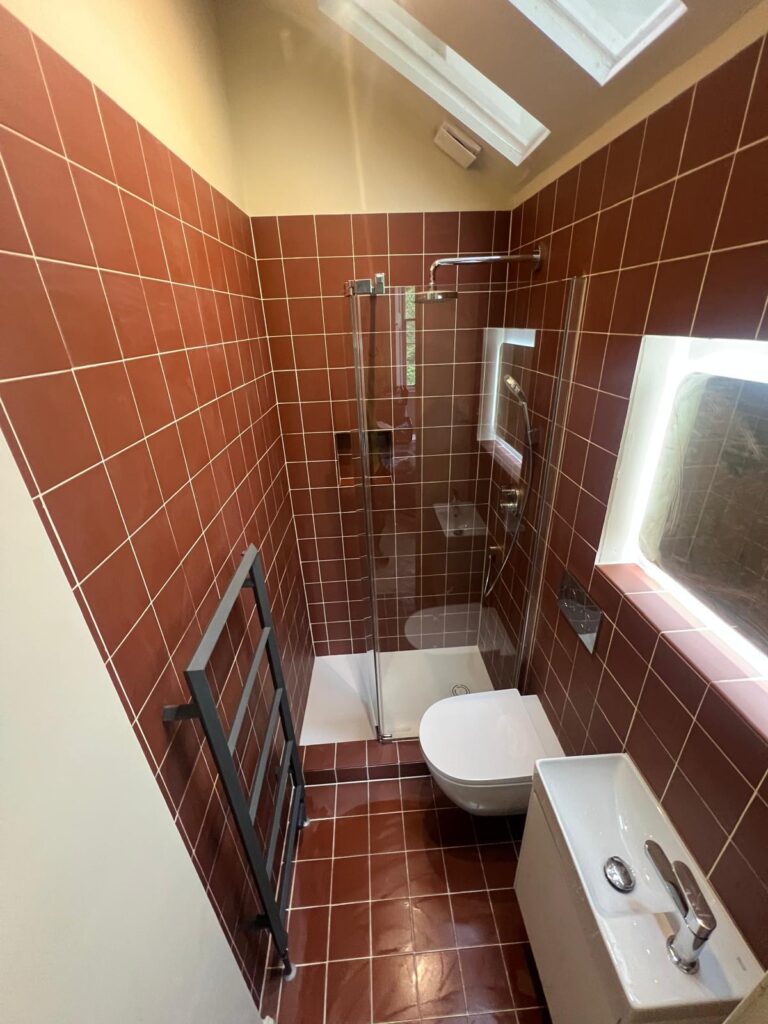
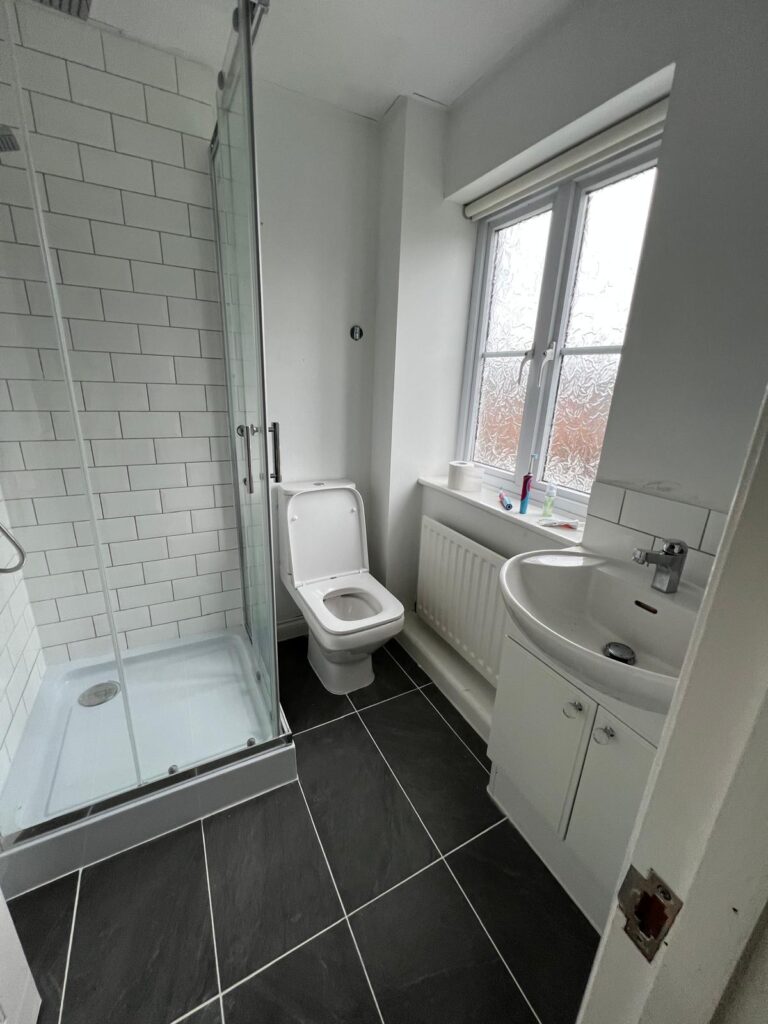
- Shower Room Installation — Compact shower rooms where space is at a premium, ideal for Glasgow flats and smaller properties.
- Supply & Fit or Fit Only Fitting only? See bathroom installation Glasgow (from £4,500). — We can source all materials and sanitaryware, or work with products you’ve already purchased.
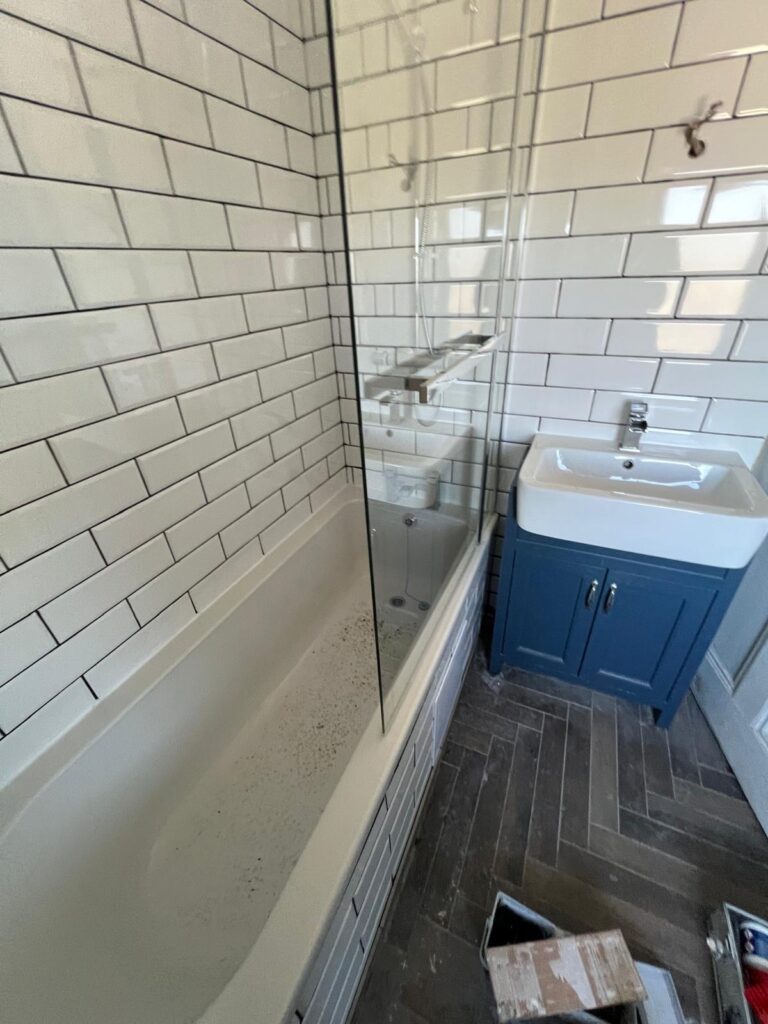
- Bathroom Tiling — Large-format tiles, metro tiles, patterned tiles, mosaic accents — our tilers deliver clean, precise results every time.
- Plumbing & Pipework — Complete plumbing reconfiguration, including waste and supply pipe rerouting, as part of any renovation project.
Why Choose HomeDecorZone for Your Glasgow Bathroom?
Glasgow homeowners trust us for bathroom installations because we do things differently. Here’s what sets us apart:
- ⭐ 9.56/10 on Checkatrade — 33 independently verified reviews from real Glasgow customers. No paid reviews, no cherry-picking.
- ⭐ 4.8/5 on MyBuilder — 230 reviews from homeowners across Glasgow and the surrounding area. Consistently rated top for quality and reliability.
- One Point of Contact — Your project is managed start to finish by one team: plumbers, tilers, joiners and decorators coordinated on a single fixed-price contract.
- Fixed-Price Quotes — No hidden costs, no surprise invoices. What we quote is what you pay. Period.
- Full Project Management — We coordinate all trades, order all materials, and manage the timeline so you don’t have to.
- Fully Insured & Verified — Public liability insurance, Checkatrade verified, and all electrical work Part P certified.
- Glasgow Specialists — We know Glasgow’s housing stock: tenements, Victorian terraces, 1960s council flats, modern new-builds. We’ve worked in them all.
- Clean & Respectful — We protect your home during works, clean up thoroughly each day, and treat your property as if it were our own.
Bathroom Renovation Costs in Glasgow
Bathroom costs vary depending on the size of the room, the quality of materials chosen, and the complexity of the work involved. Below are typical price ranges for bathroom installations in Glasgow. For a detailed breakdown, visit our bathroom renovation cost guide.
| Bathroom Type | Typical Cost Range | Timeframe |
|---|---|---|
| Basic bathroom refresh (new suite + tiling) | £2,500 – £4,500 | 3–5 days |
| Full bathroom renovation (mid-range) | £4,500 – £7,500 | 5–8 days |
| En-suite installation | £3,000 – £6,000 | 4–7 days |
| Wet room conversion | £4,000 – £8,000 | 5–8 days |
| Luxury bathroom renovation | £8,000 – £20,000+ | 7–14 days |
All prices include labour and are indicative. Your exact quote will be confirmed after a free in-home consultation. Contact us for a free quote.
Our Bathroom Renovation Process
We’ve refined our process over hundreds of bathroom projects in Glasgow to make it as smooth and stress-free as possible for homeowners.
- Free Consultation & Survey — We visit your home, assess the space, discuss your requirements and budget, and take measurements. No obligation, no pressure.
- Design & Quote — We prepare a detailed fixed-price quote with a clear breakdown of all works and materials. We can also advise on layouts, tiles, sanitaryware, and fittings to suit your budget and taste.
- Materials Sourcing — Once you approve the quote, we order all materials. We work with trusted suppliers and can source everything from budget-friendly ranges to premium designer brands.
- Strip-Out & Preparation — On day one, our team removes your existing bathroom. We protect floors, doorways, and adjacent areas and make safe all plumbing and electrical connections.
- First Fix — Plumbing and electrical first fix: repositioning pipes, installing underfloor heating elements, running new wiring for lighting and extractor fans.
- Waterproofing & Boarding — Walls are tanked or boarded with waterproof aquaboard where required, ensuring long-term protection against damp.
- Tiling — Our tilers install floor and wall tiles with precision. Grout colour, tile layout, and pattern are agreed with you beforehand.
- Sanitaryware & Fixtures — Bath, shower enclosure, toilet, basin, and vanity unit are fitted and connected. All plumbing is tested and signed off.
- Second Fix Electrics — Lighting, extractor fans, shaver points, and heated towel rails are connected by our qualified electrician.
- Snagging & Handover — We carry out a thorough snag check, address any minor issues, and walk you through your new bathroom. You receive all relevant certificates.
Glasgow Properties We Work In
HomeDecorZone has extensive experience with all types of Glasgow properties, including:
- Glasgow Tenements — Traditional sandstone tenements present unique challenges: limited access, shared pipes, solid walls, and original plasterwork to protect. Our team knows how to work sensitively in these buildings.
- Victorian Terraced Houses — Period properties often require careful consideration of original features and may need additional waterproofing due to age of the building fabric.
- 1960s–1980s Council Properties — These homes often have dated plumbing systems and bathroom configurations that benefit enormously from a modernisation. We’ve transformed hundreds of them.
- Modern New Builds — Upgrades and personalisation of standard developer bathrooms, including upgraded tiles, freestanding baths, and improved shower systems.
- Bungalows & Detached Houses — Often allowing more flexibility for layout changes and luxury touches like freestanding baths and walk-in showers.
Areas We Cover in Glasgow
Based in Glasgow, we cover the entire city and surrounding areas including:
- Bathroom Fitters Bearsden — covering Bearsden, Milngavie, and surrounding areas
- Bathroom Fitters Paisley — Paisley, Renfrew, Johnstone
- Bathroom Fitters East Kilbride — East Kilbride, Rutherglen, Cambuslang
- West End Glasgow — Partick, Hyndland, Jordanhill, Whiteinch
- South Side Glasgow — Shawlands, Giffnock, Clarkston, Newton Mearns
- North Glasgow — Bishopbriggs, Springburn, Maryhill
- East Glasgow — Dennistoun, Shettleston, Tollcross
Frequently Asked Questions — Bathroom Renovation Glasgow
How long does a bathroom renovation take in Glasgow?
Most standard bathroom renovations take 5–8 working days from strip-out to completion. A simple refresh (new suite, no layout changes) can be done in 3–5 days. A luxury or complex wet room conversion may take 8–12 days. We’ll give you a realistic timeline during your free consultation.
Do you supply the bathroom suite and tiles, or do I need to buy them?
We offer both options. We can supply everything — suite, tiles, taps, accessories — as part of a fully managed project. Alternatively, if you’ve already chosen or purchased your sanitaryware, we’re happy to carry out a fit-only service. We’ll advise on what to look out for when self-sourcing to avoid compatibility issues.
Can you move the toilet and bath to a new position?
Yes, we can reconfigure most bathroom layouts. Moving the toilet requires rerouting the soil pipe, which adds to cost and complexity, but it’s something we do regularly. We’ll advise you on what’s practical within your space during the survey.
Do you work in tenement flats in Glasgow?
Absolutely — a large proportion of our work is in Glasgow’s traditional sandstone tenements. We’re experienced in managing the access constraints, older plumbing systems, and neighbouring-property considerations that come with tenement renovations.
What warranties do you offer?
We offer a 12-month workmanship guarantee on all our bathroom installations. Sanitaryware and fittings come with their own manufacturer warranties. All electrical work is Part P certified and all plumbing work is carried out to current building regulations.
Can you install underfloor heating in my bathroom?
Yes, electric underfloor heating is a popular addition to bathroom renovations and works brilliantly under tile. It adds warmth and comfort and is particularly popular in bathroom renovations across Glasgow, especially during the colder months. We include it in our full renovation packages.
How do I get started?
Simply get in touch for a free quote. We’ll arrange a convenient time to visit your home, carry out a free survey, and provide a detailed fixed-price quote — usually within 48 hours of our visit. No obligation, no pushy sales tactics.
Get Your Free Bathroom Quote Today
Ready to transform your Glasgow bathroom? HomeDecorZone offers free, no-obligation quotes for bathroom installations across Glasgow and surrounding areas. Our team, fixed-price approach, and 5-star reputation mean you can have complete confidence from day one.
📞 Get a Free Bathroom Quote | View Full Cost Guide | Wet Room Installation Glasgow
Rated 9.56/10 on Checkatrade | 4.8/5 on MyBuilder (230 reviews) | Fully Insured | Fixed-Price Quotes
Bathroom Fitters Across Glasgow & Surroundings
We fit and renovate bathrooms across every corner of Glasgow and the surrounding areas. Find your local page:
- Bathroom Fitters West End Glasgow
- Bathroom Fitters Southside Glasgow
- Bathroom Fitters Bearsden
- Bathroom Fitters Paisley
- Bathroom Fitters Newton Mearns
- Bathroom Fitters East Kilbride
- Bathroom Fitters Shawlands
- Bathroom Fitters Giffnock
- Bathroom Fitters Clarkston
- Bathroom Fitters Bishopbriggs
- Bathroom Fitters Milngavie
- Bathroom Fitters Clydebank
- Bathroom Fitters Pollokshields
- Bathroom Fitters Glasgow City Centre
- Bathroom Renovation Bearsden
- Bathroom Renovation Cost Glasgow
- En-Suite Bathroom Glasgow
- Walk-In Shower Installation Glasgow
- Full Bathroom Cost Guide
- Get a Free Bathroom Quote
Don’t see your area? We cover all of Greater Glasgow. Contact us for a free, no-obligation quote.
Over 200 bathrooms fitted across Glasgow. Fixed price, team, no payment until you’re happy.
Call +44 7568 582337 — Free estimate, no obligation
Our Bathroom Gallery — Glasgow Projects
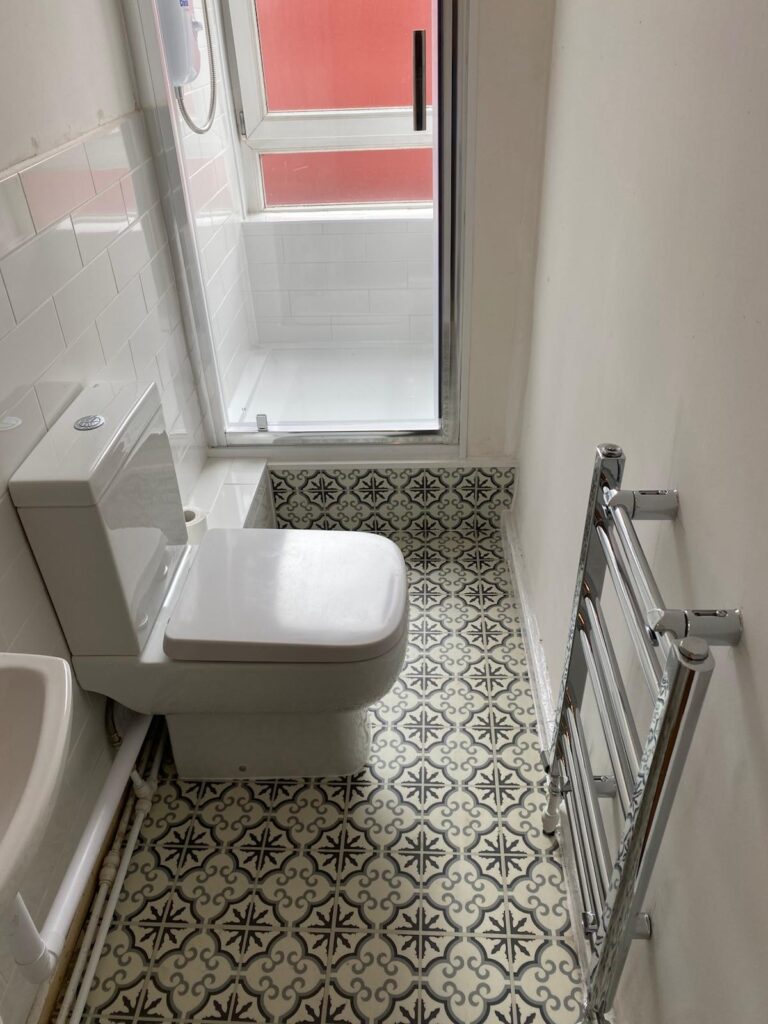
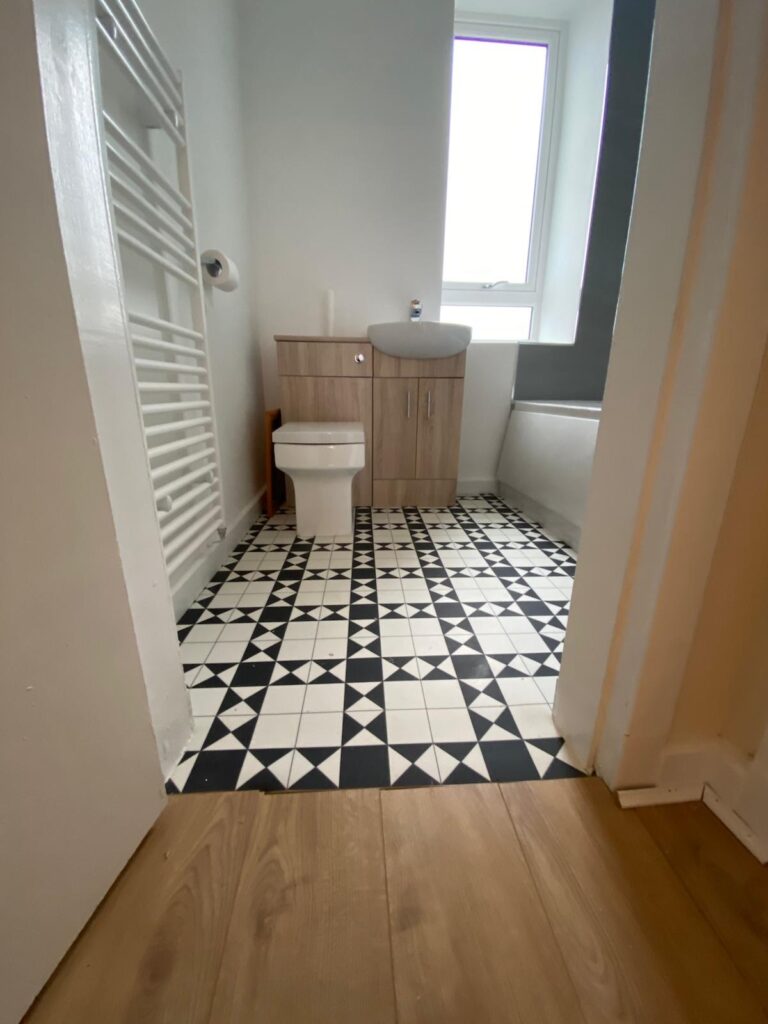
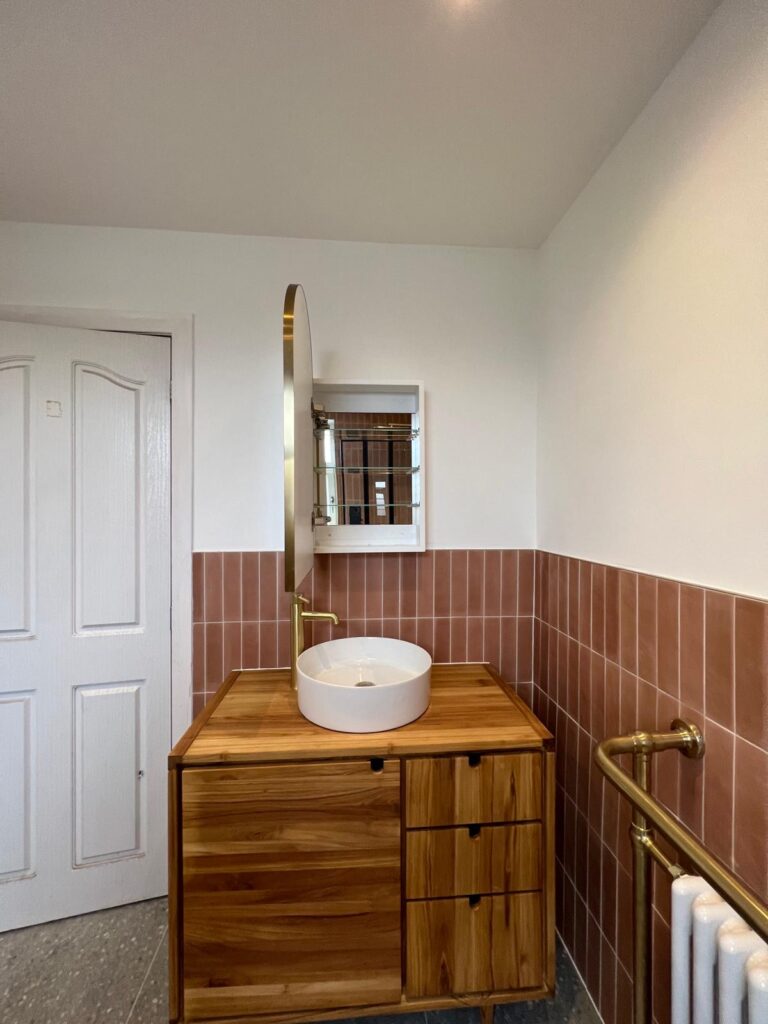
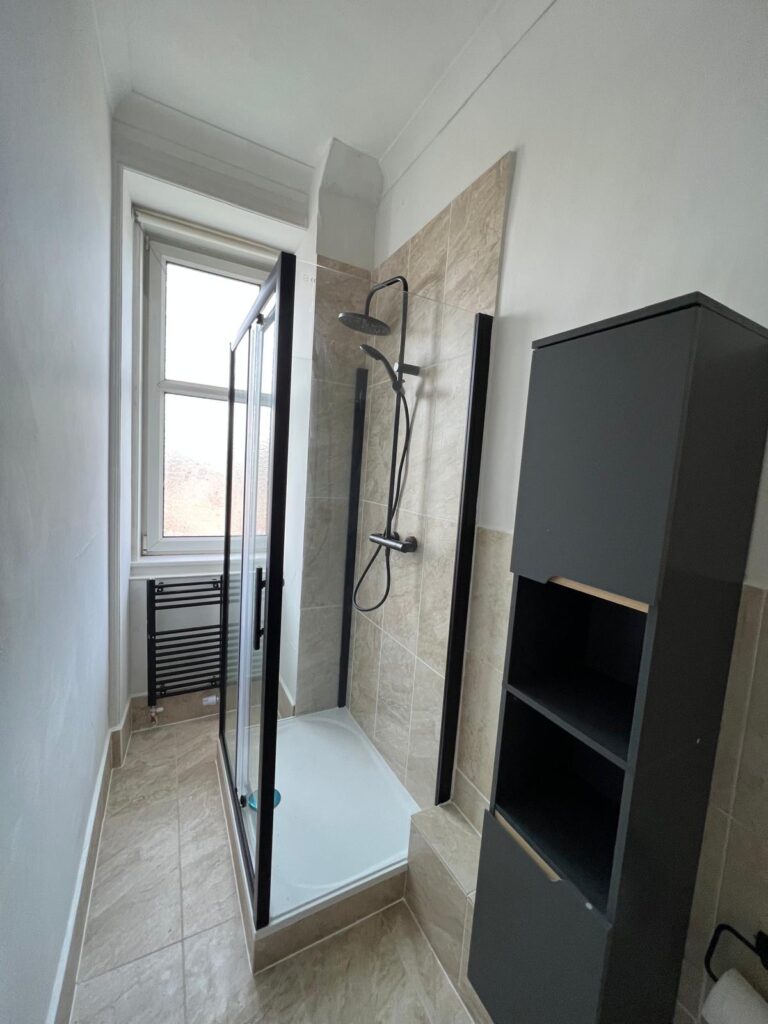
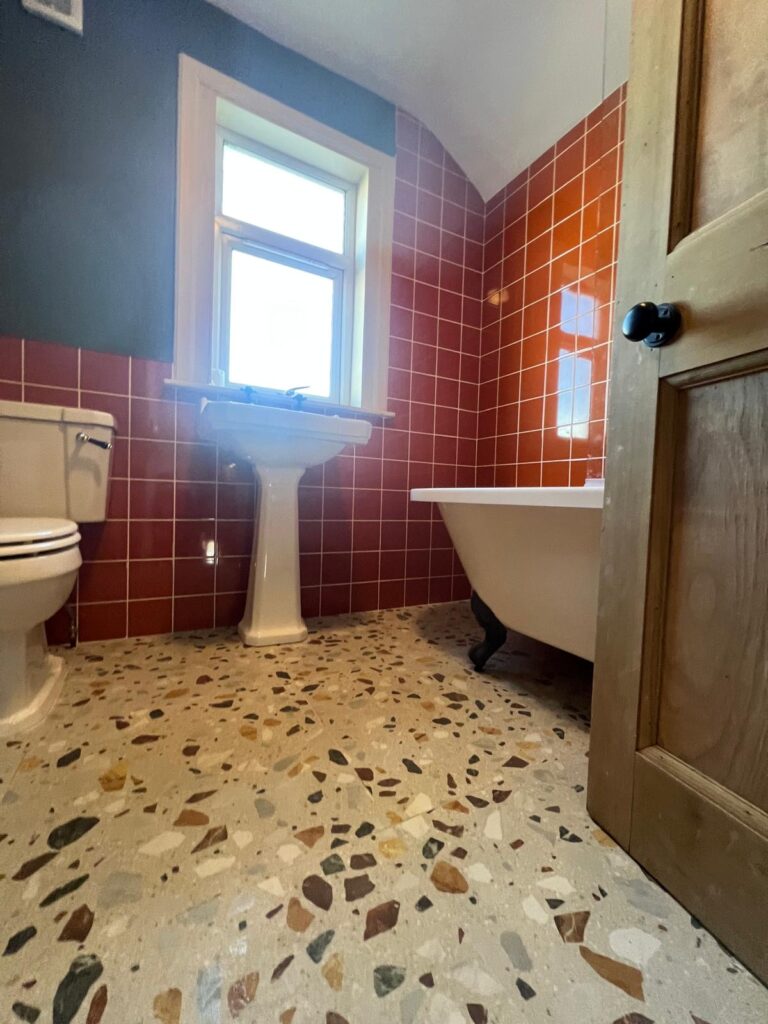
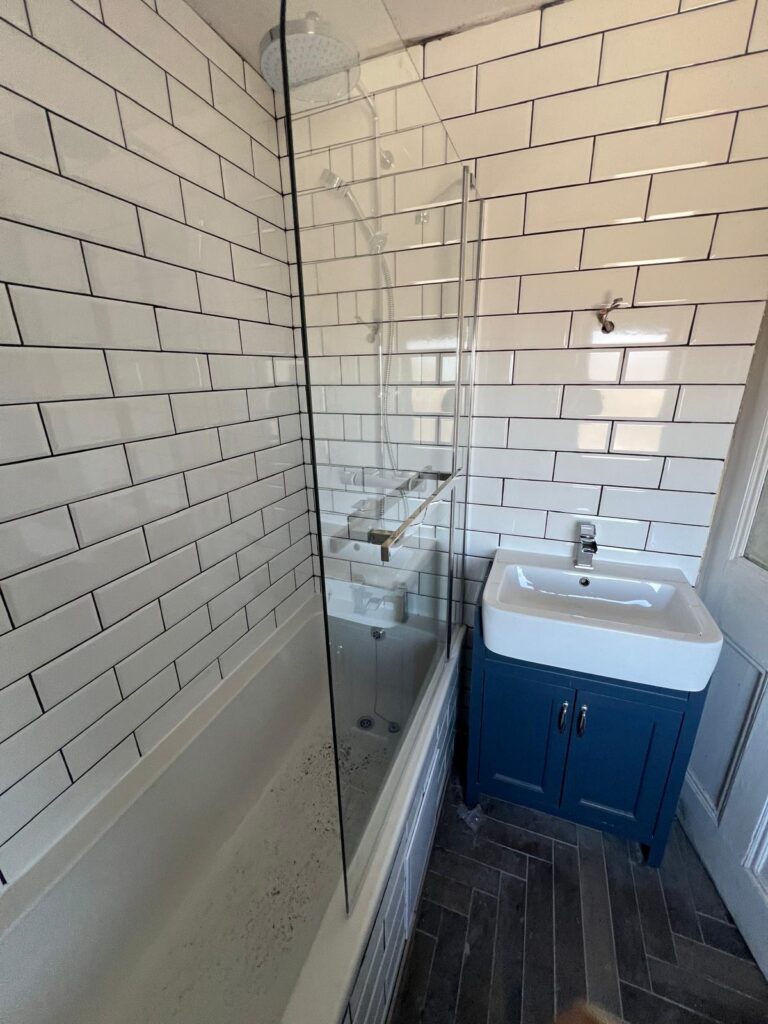
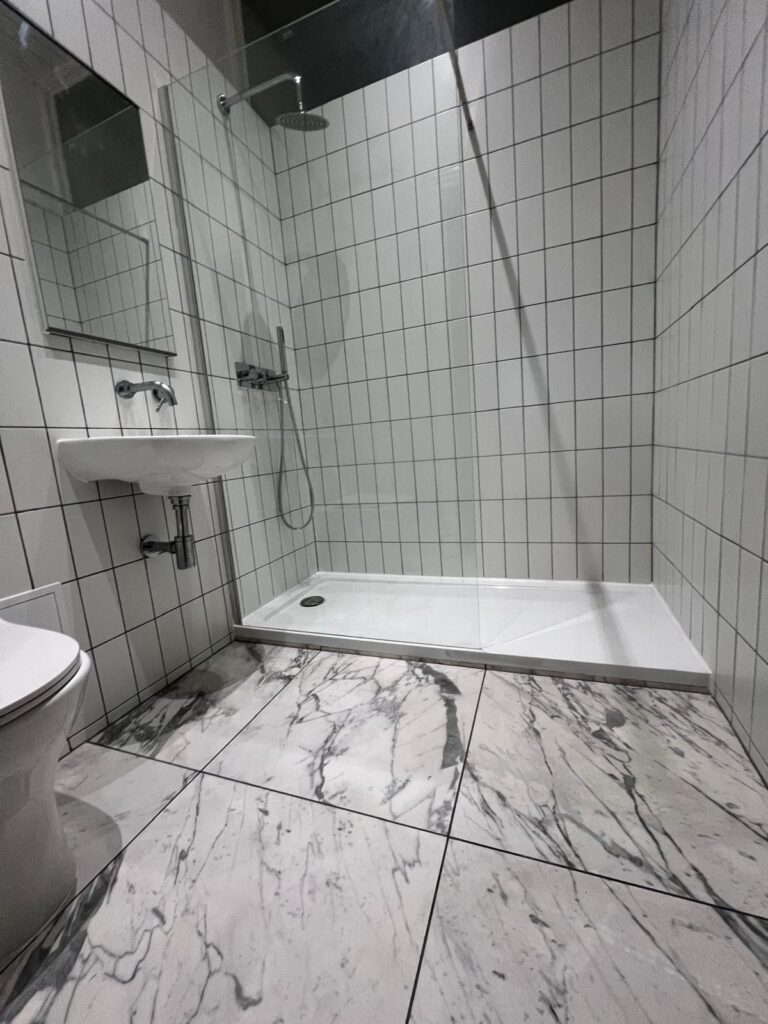
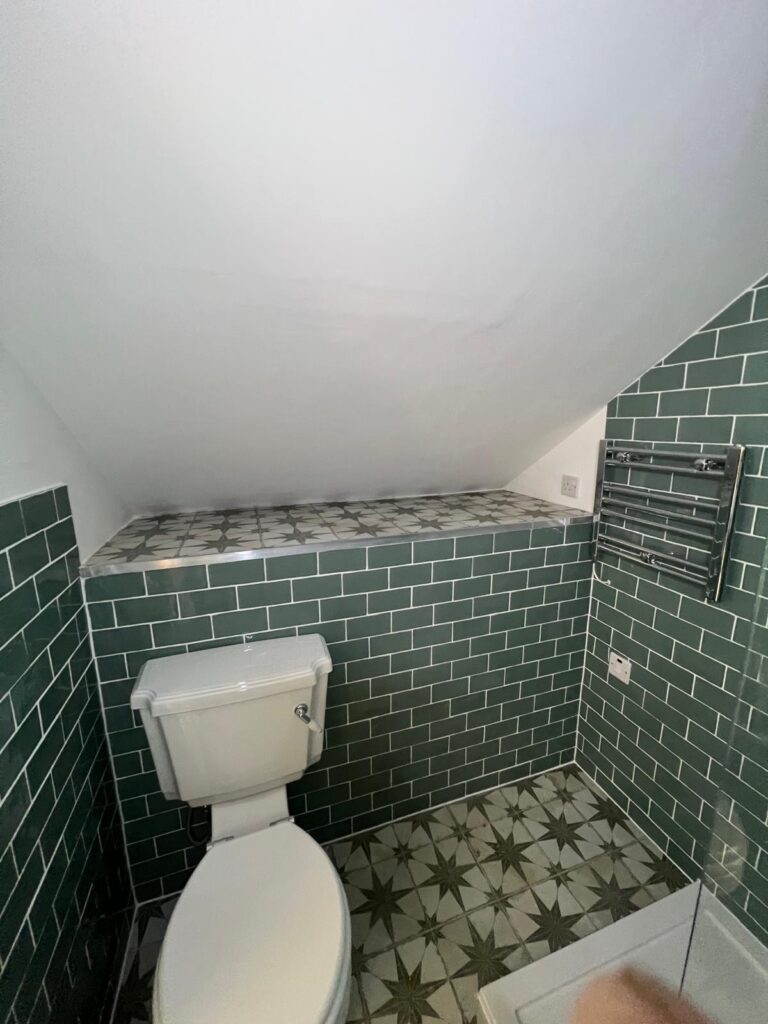
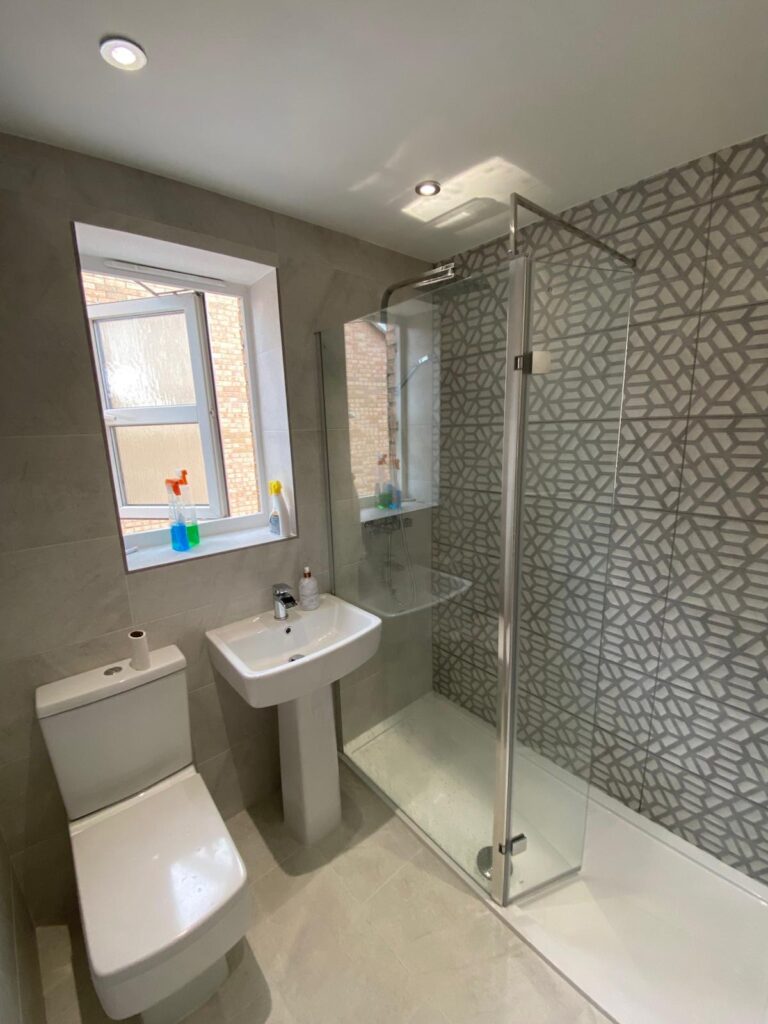
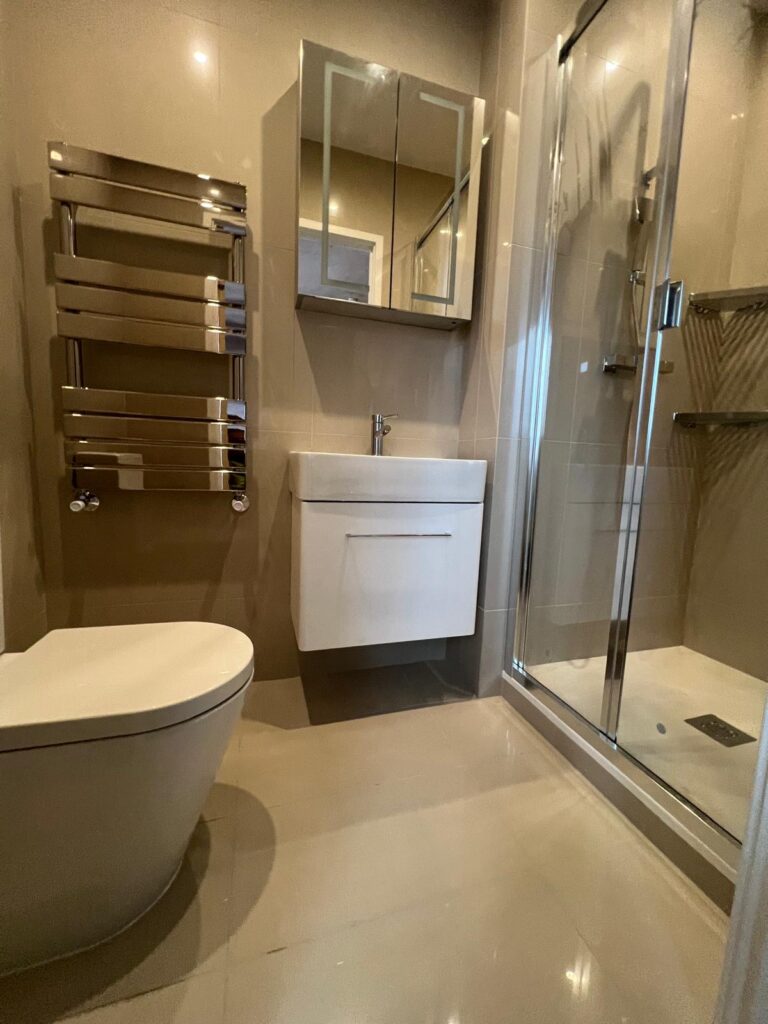
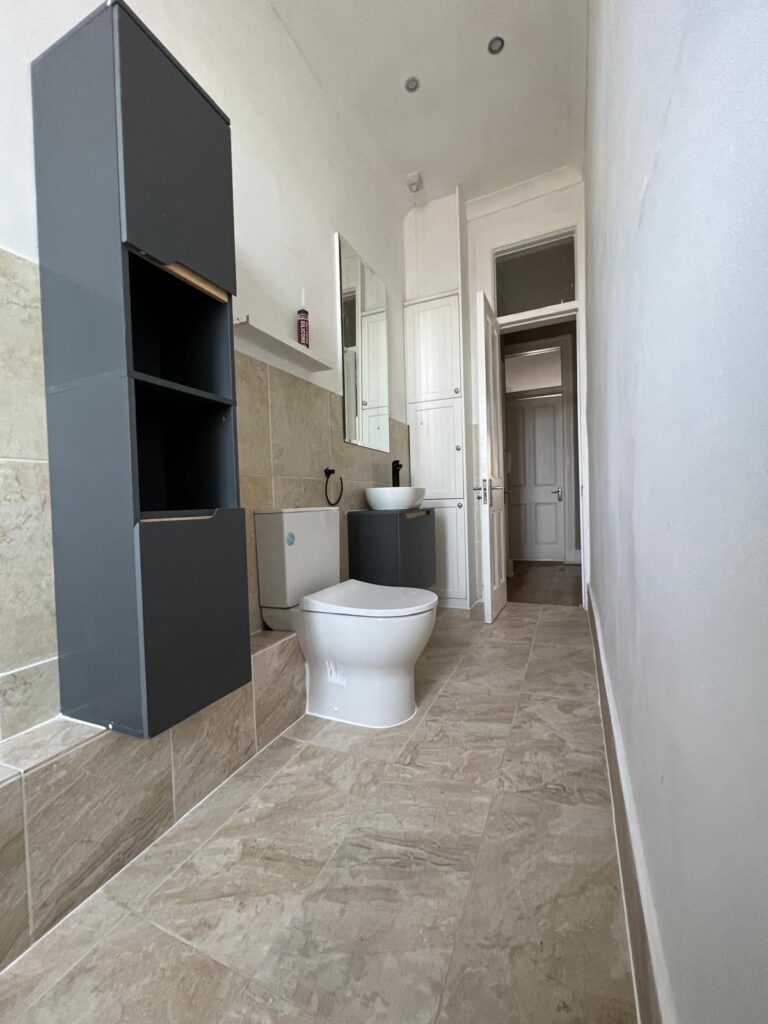
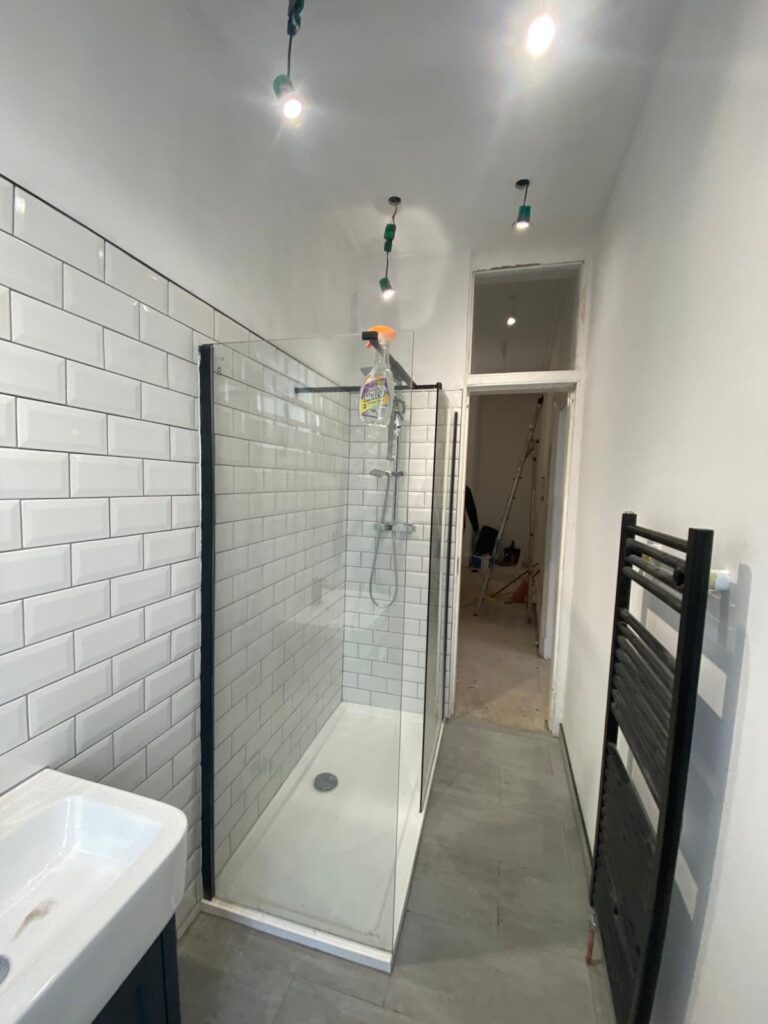
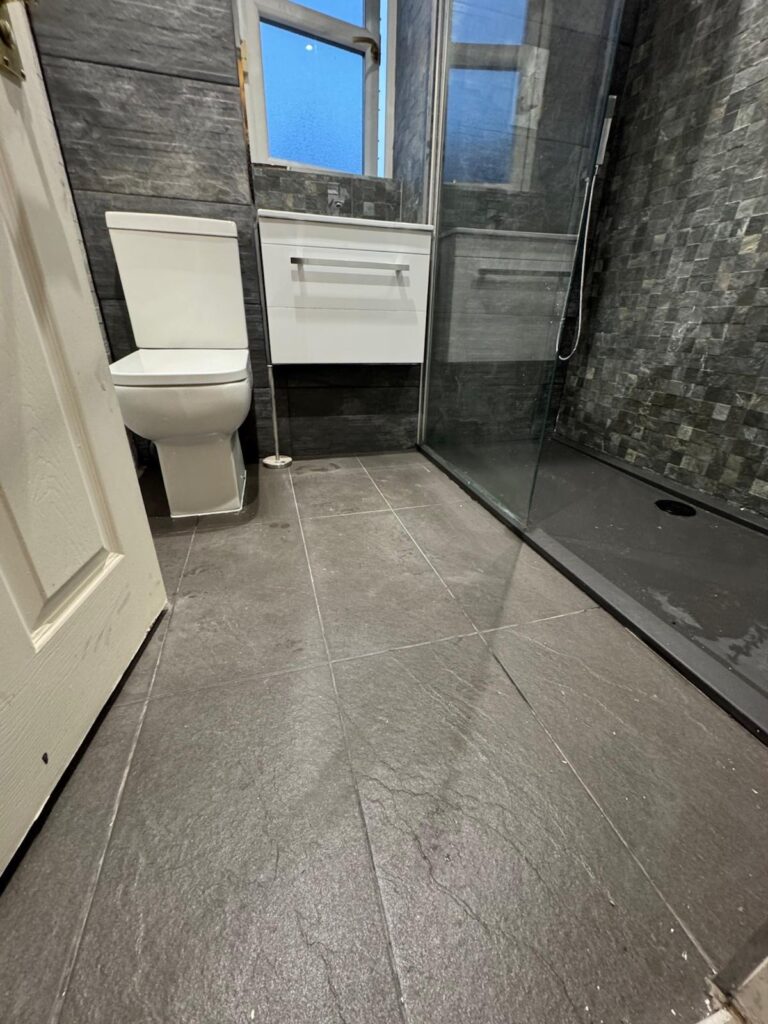
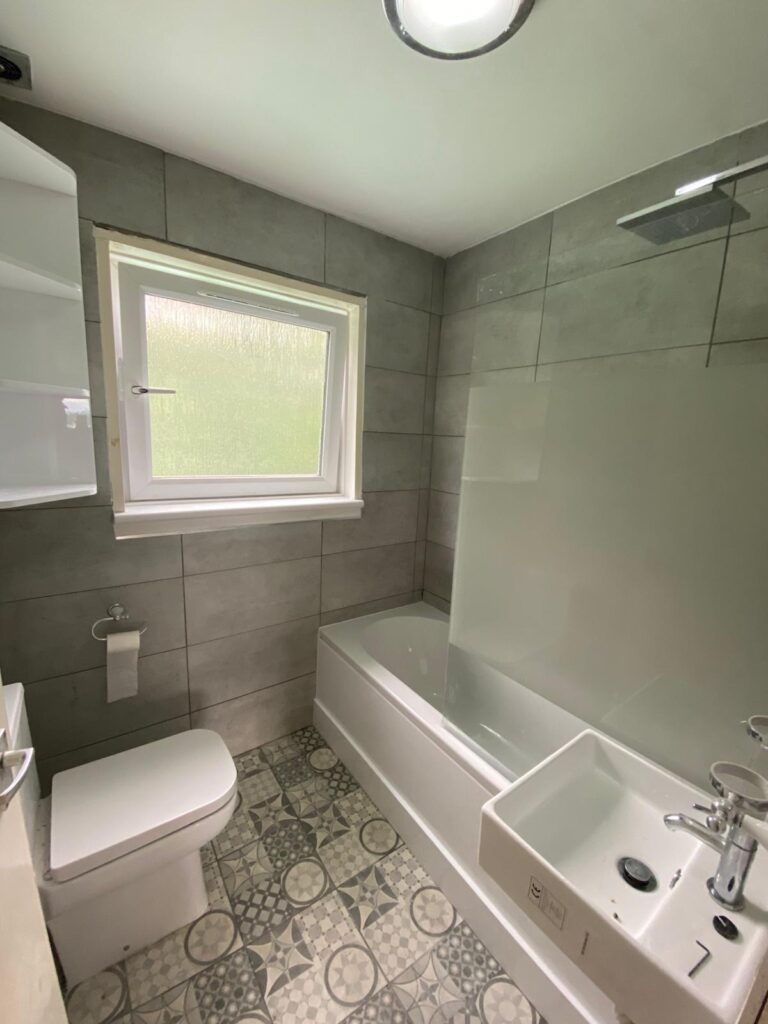
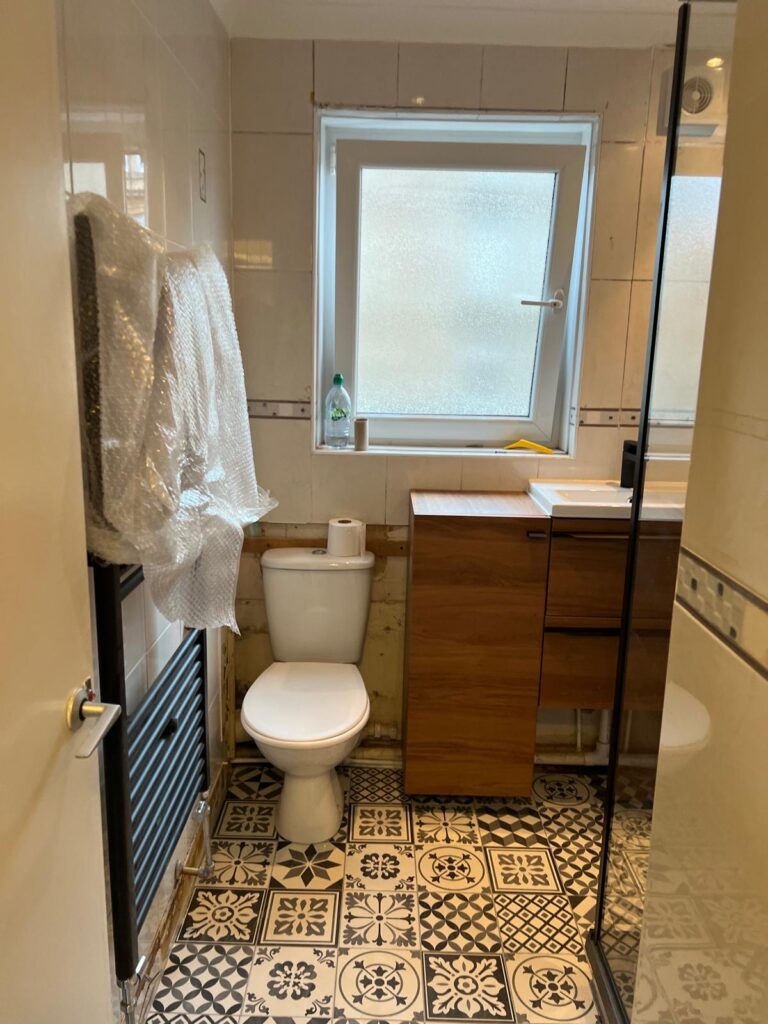
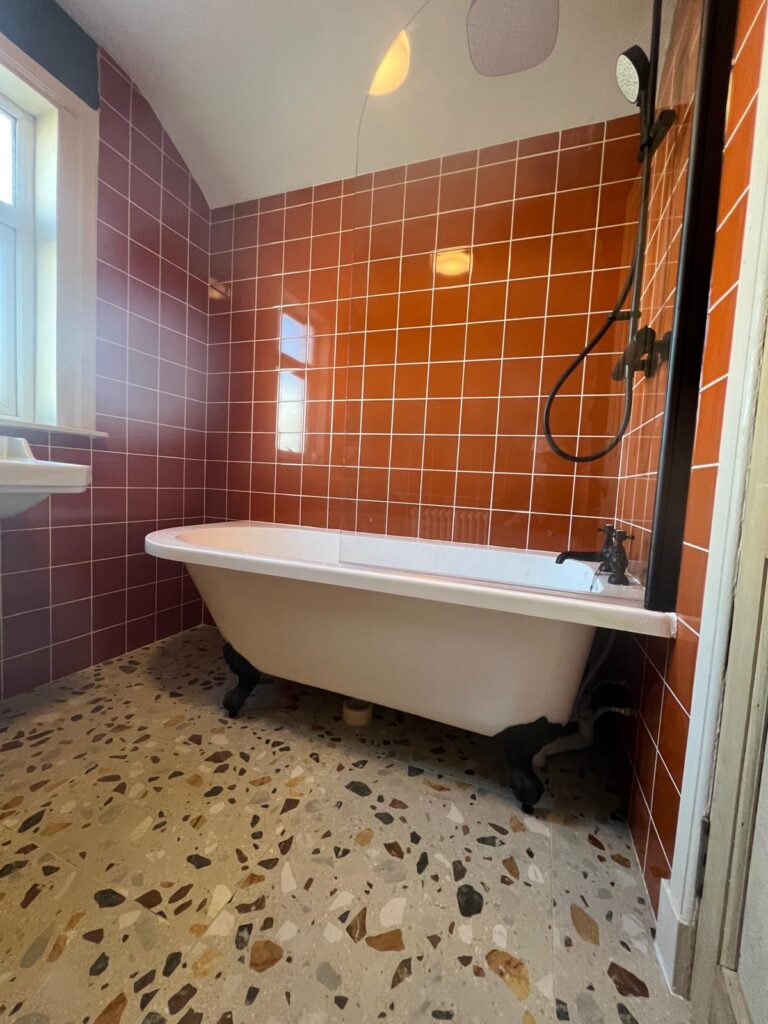
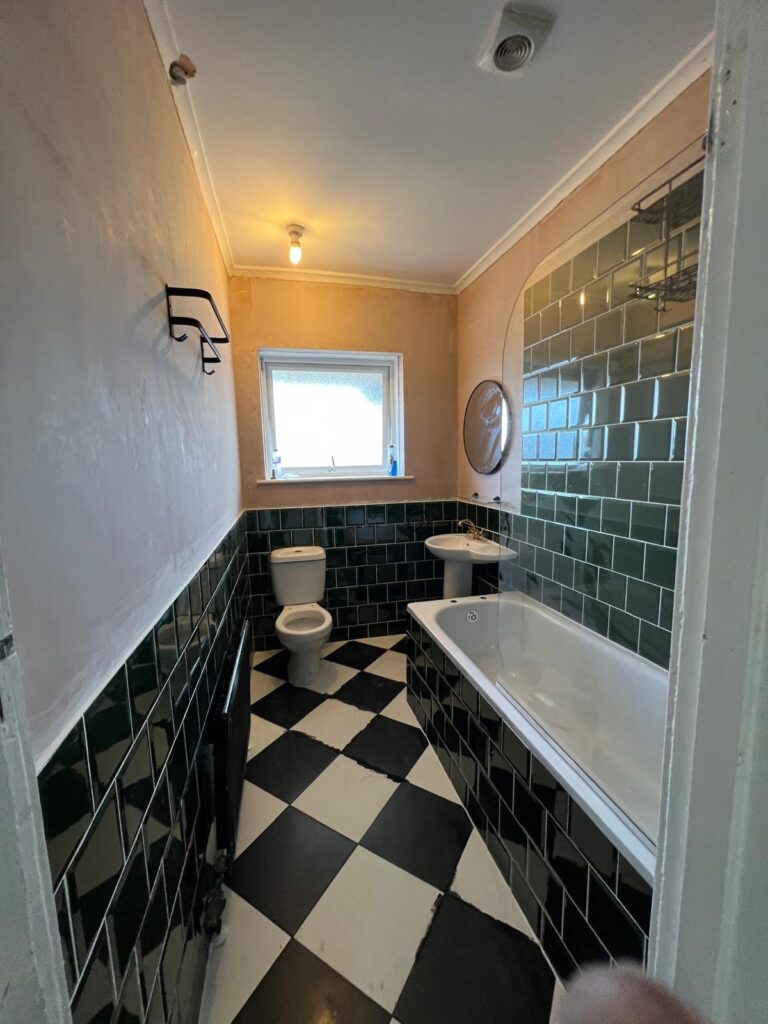
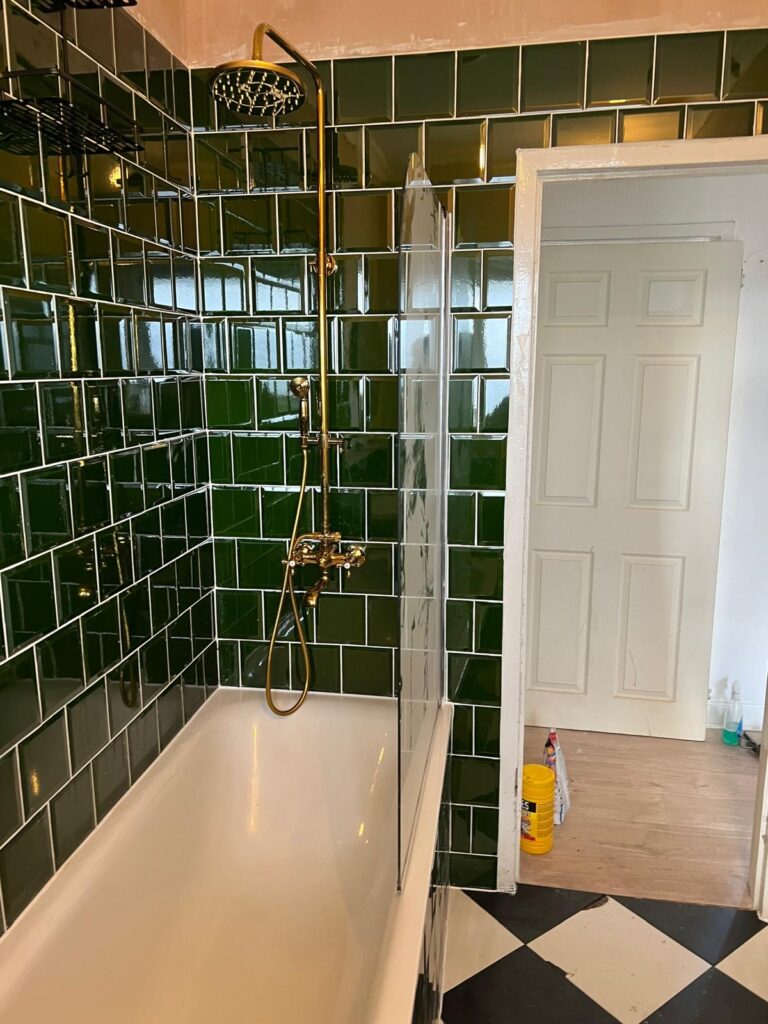
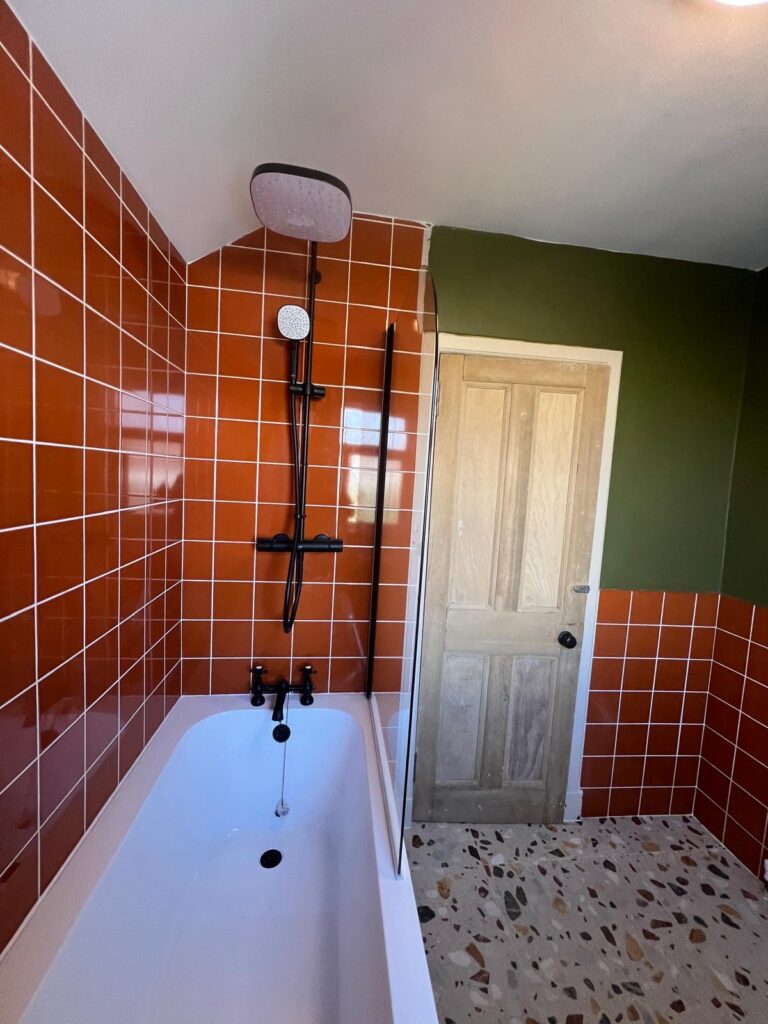
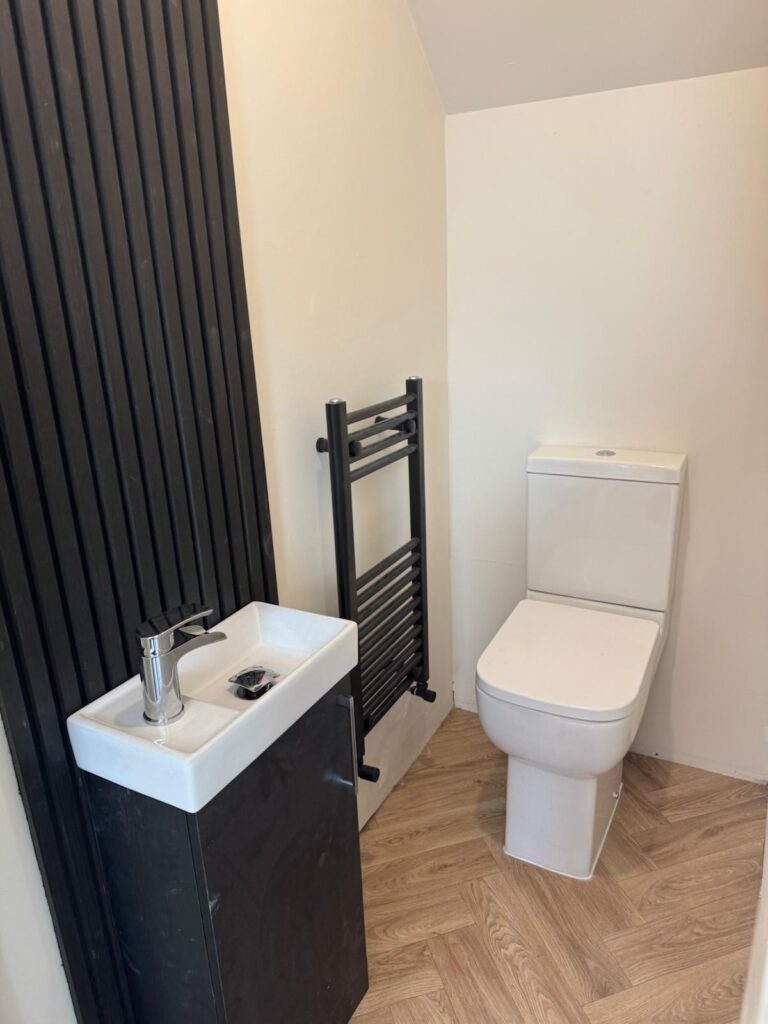
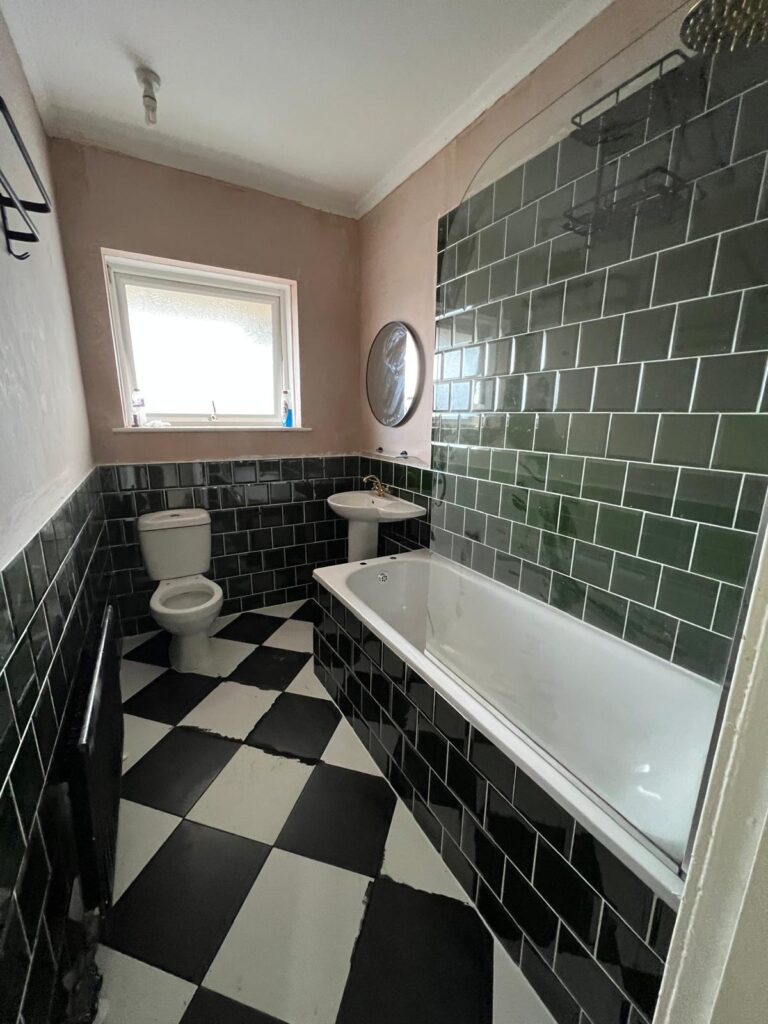
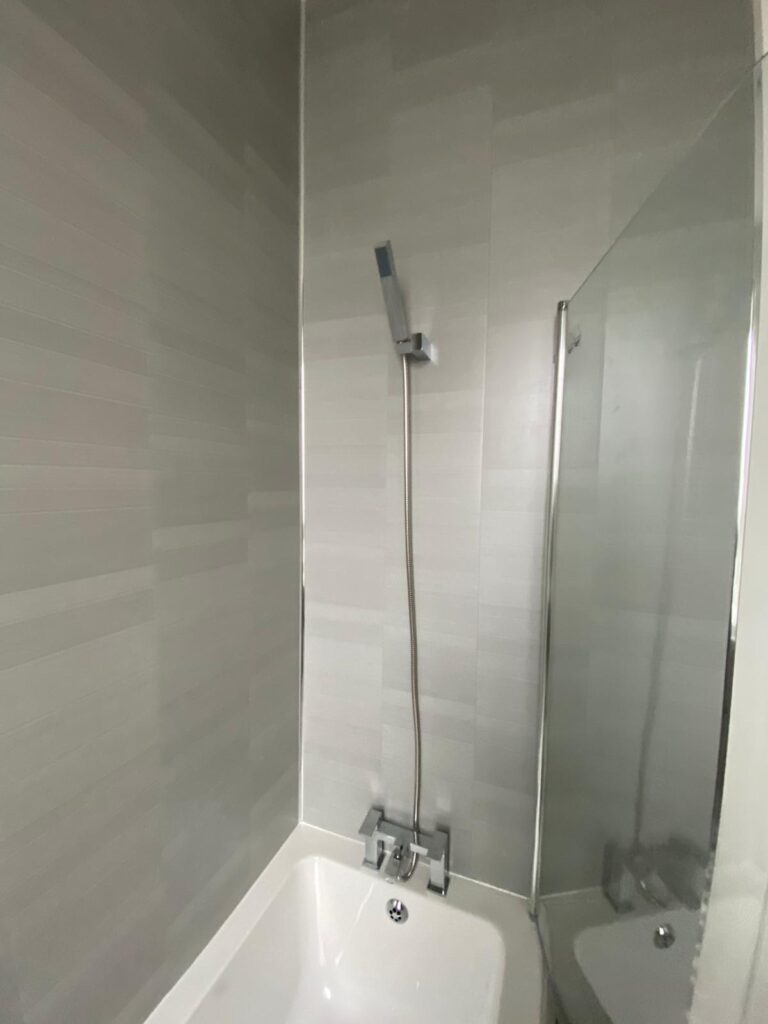
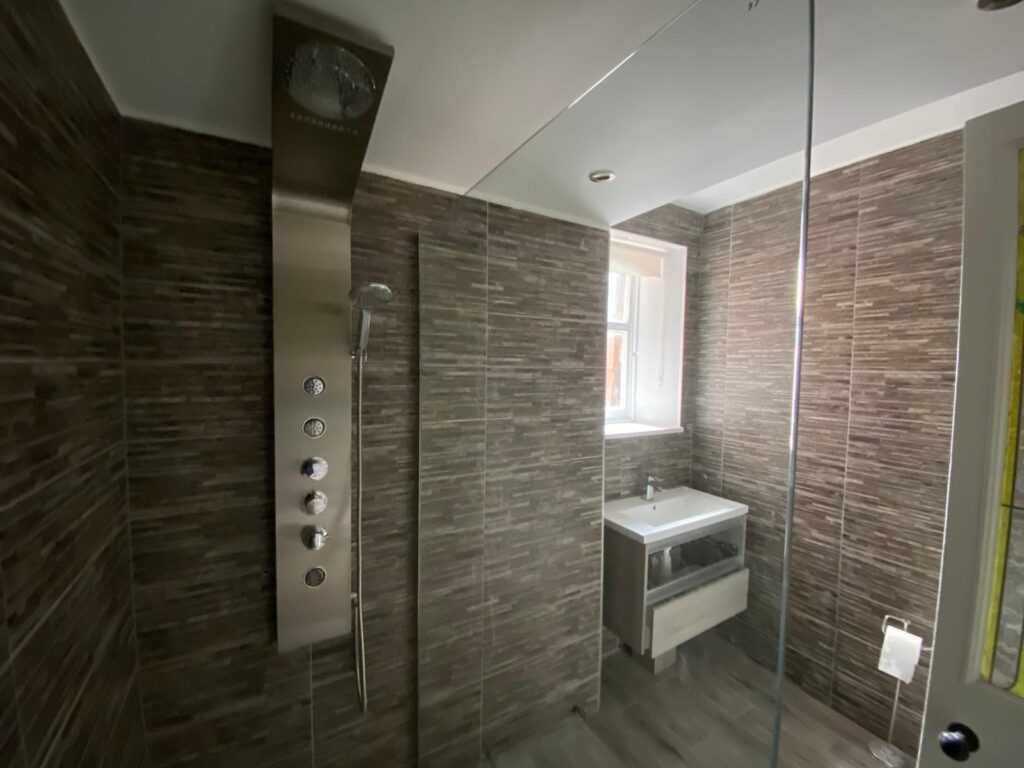
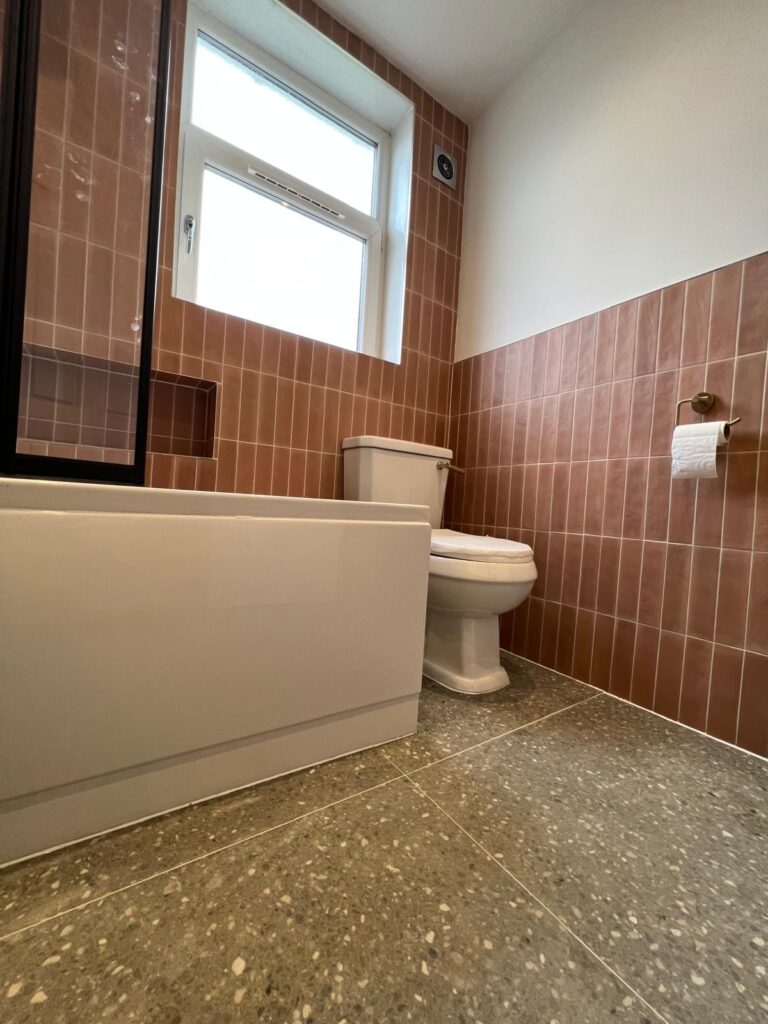
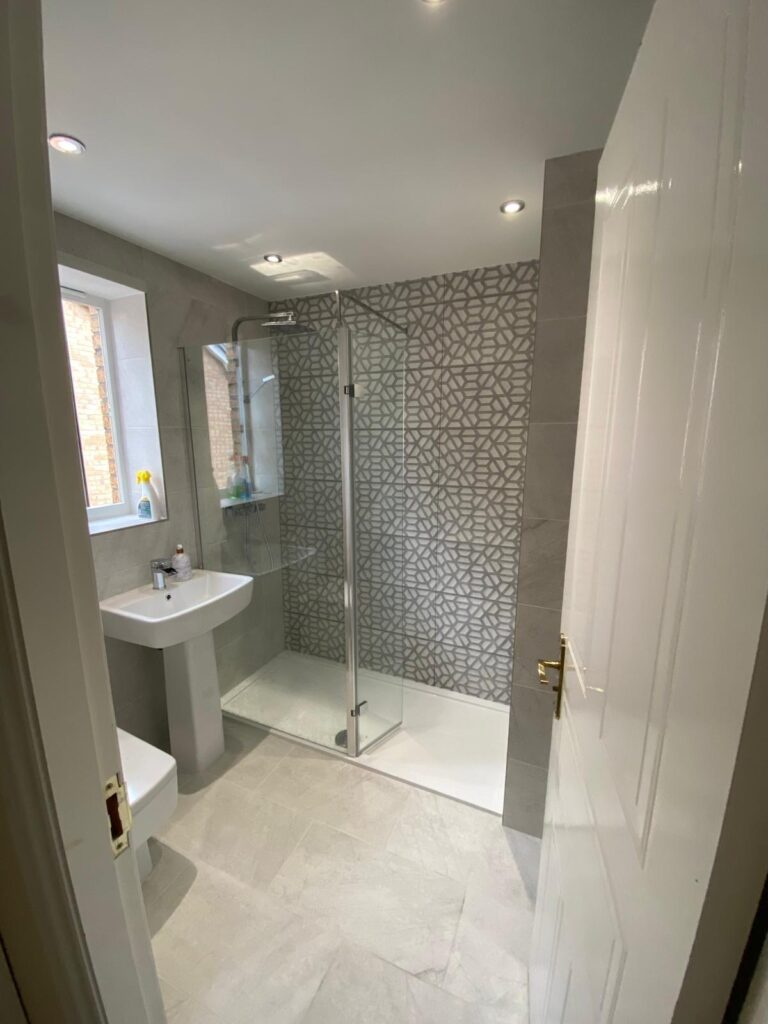
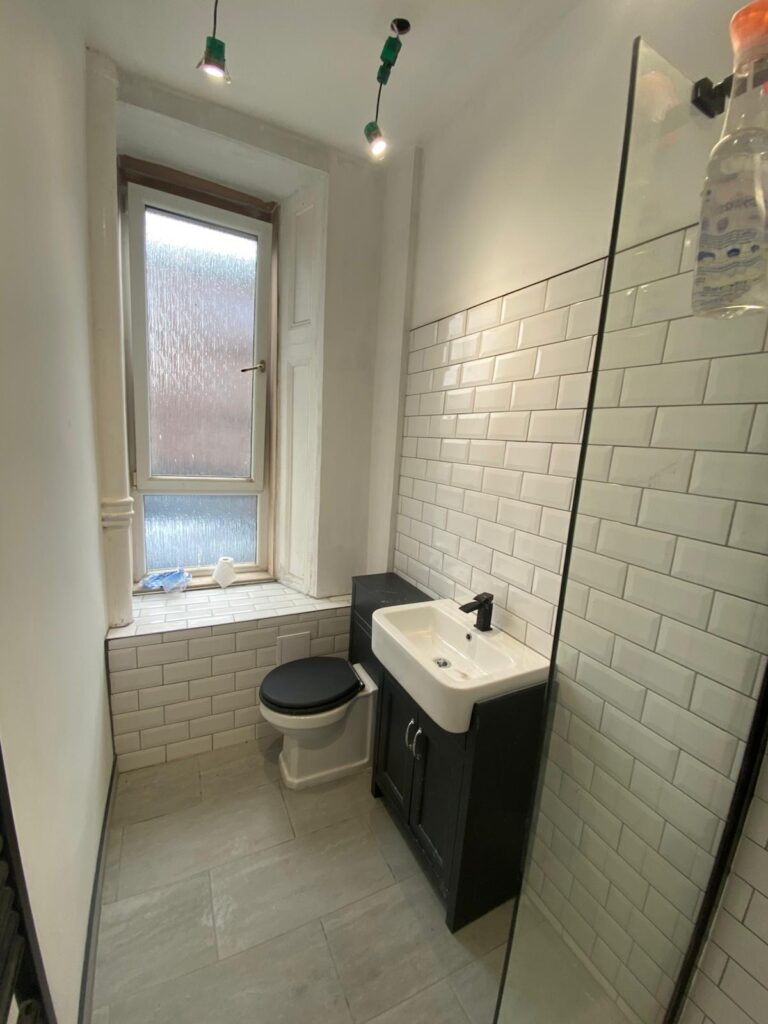
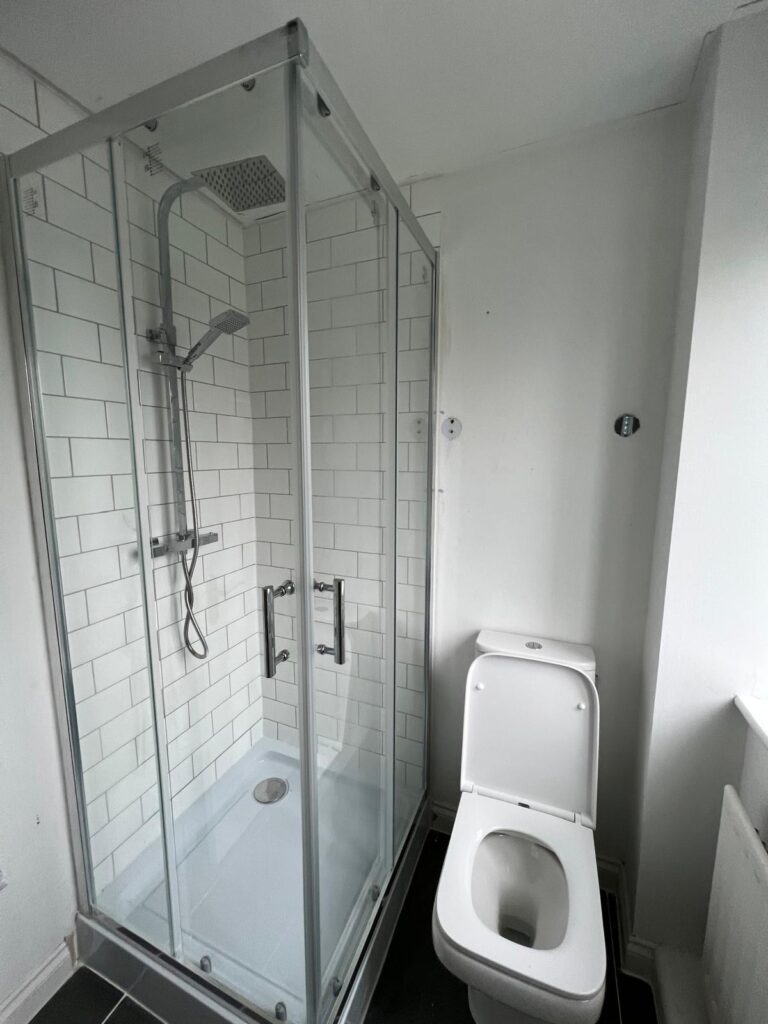
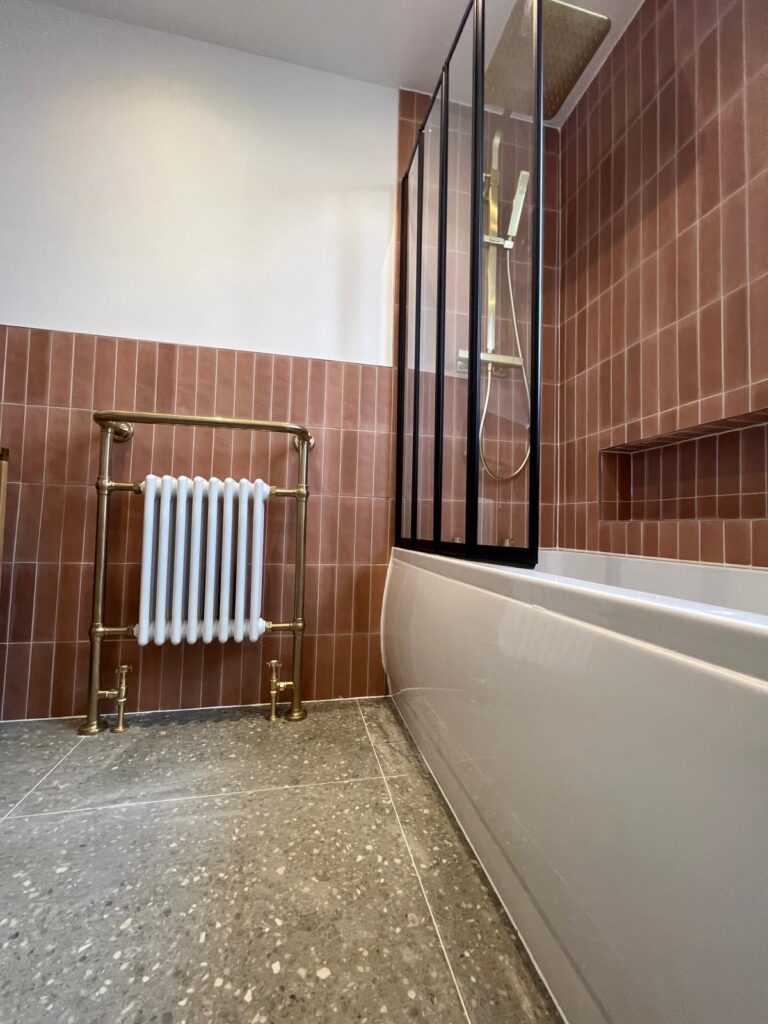
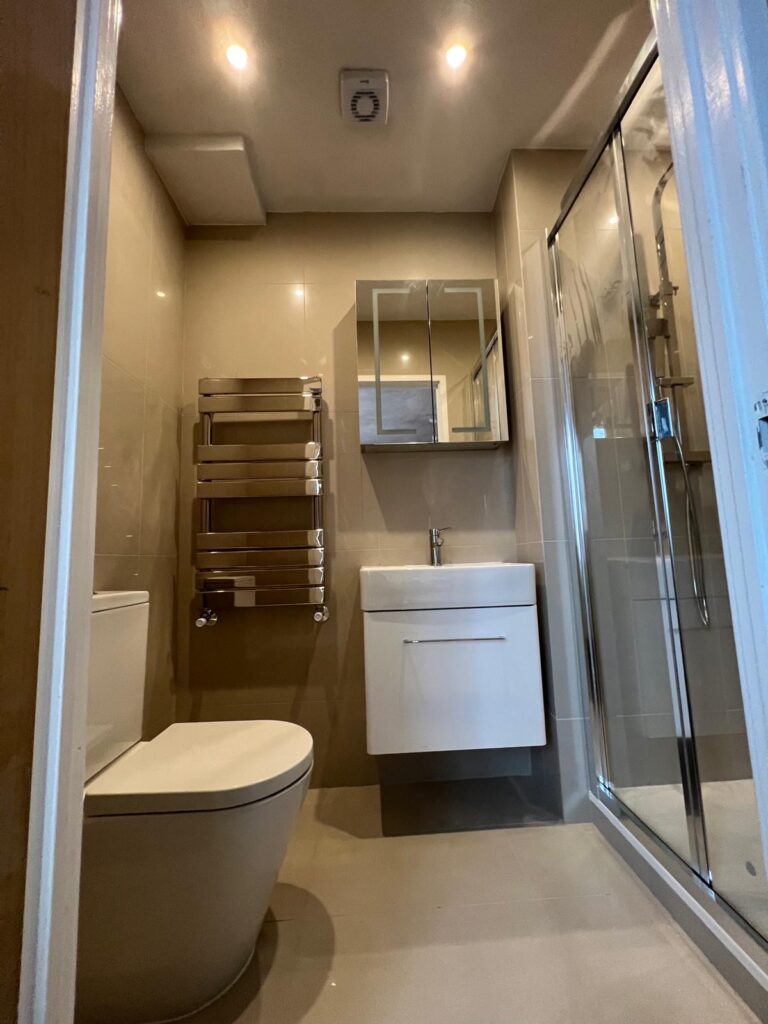
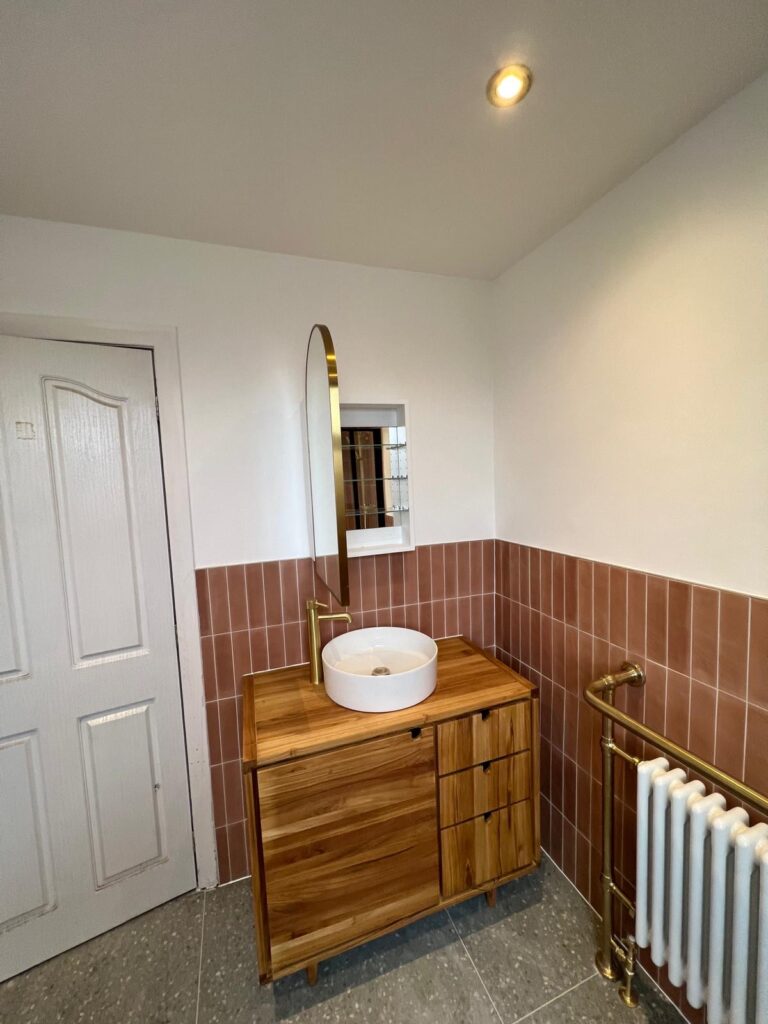
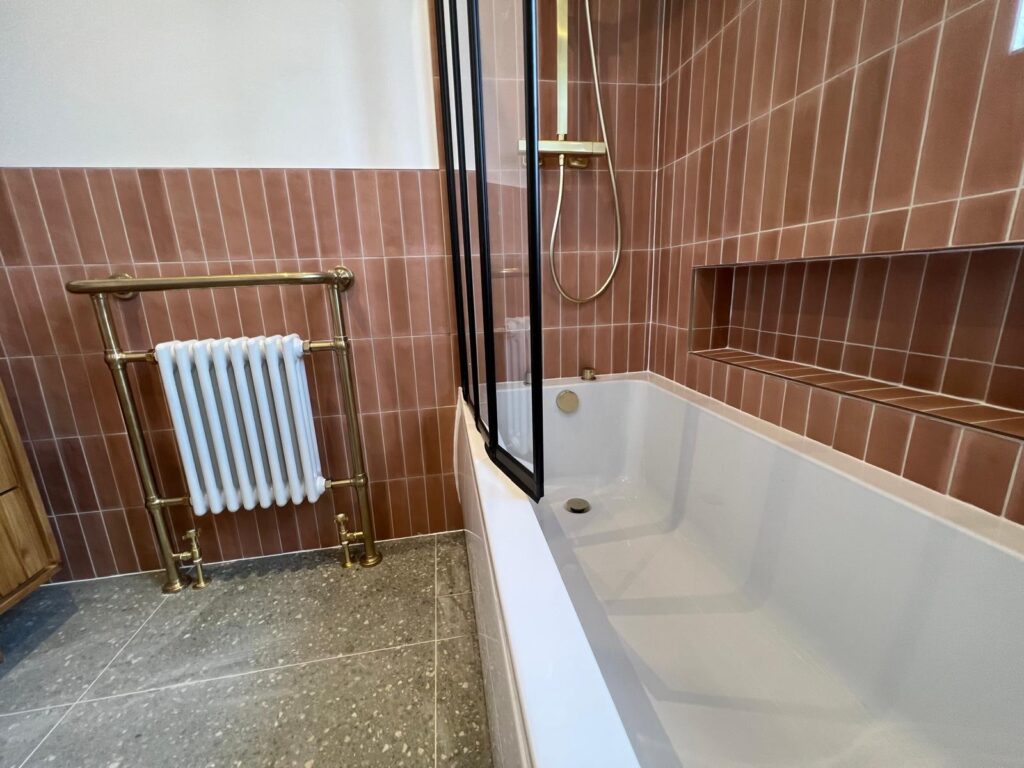
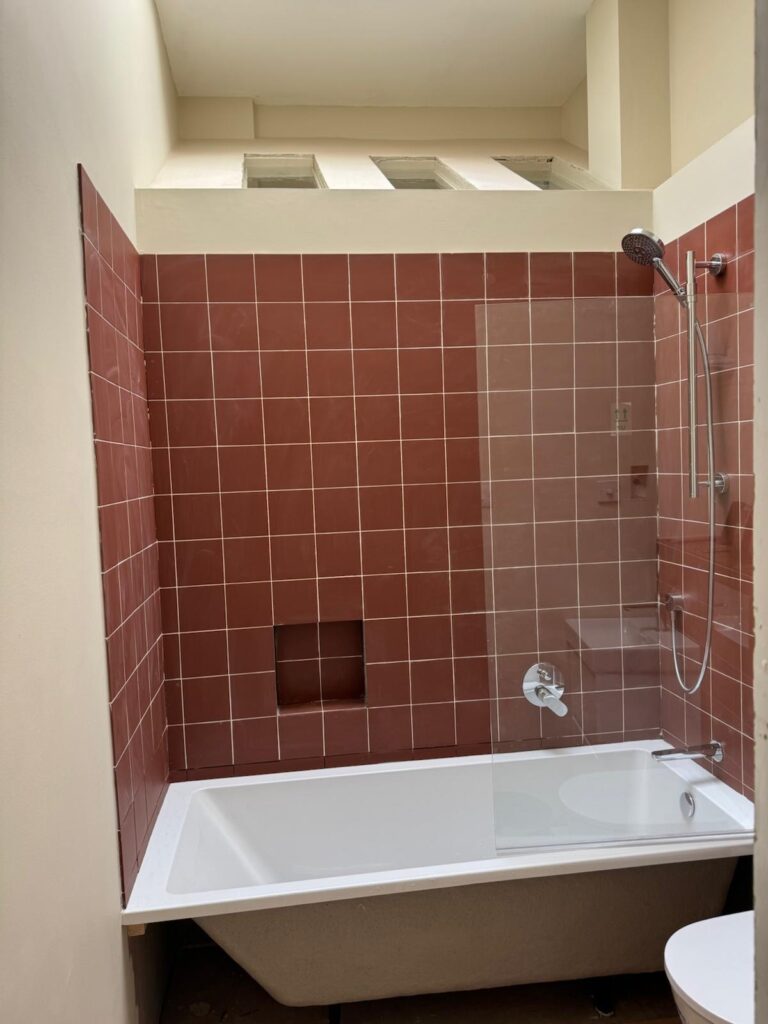
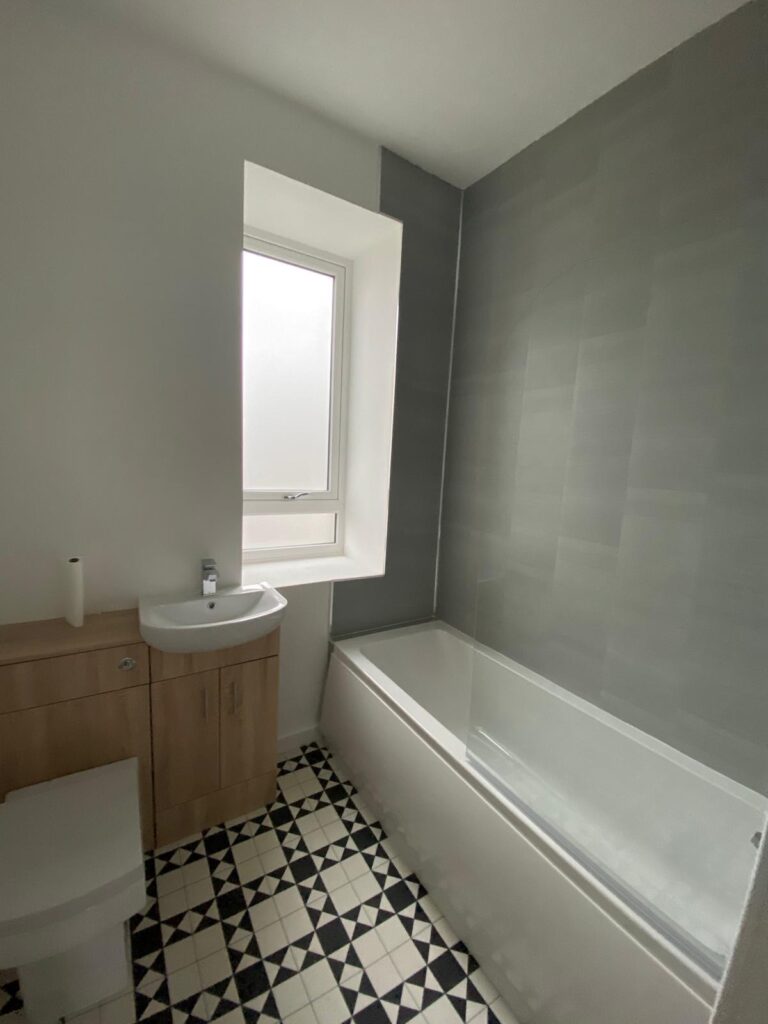
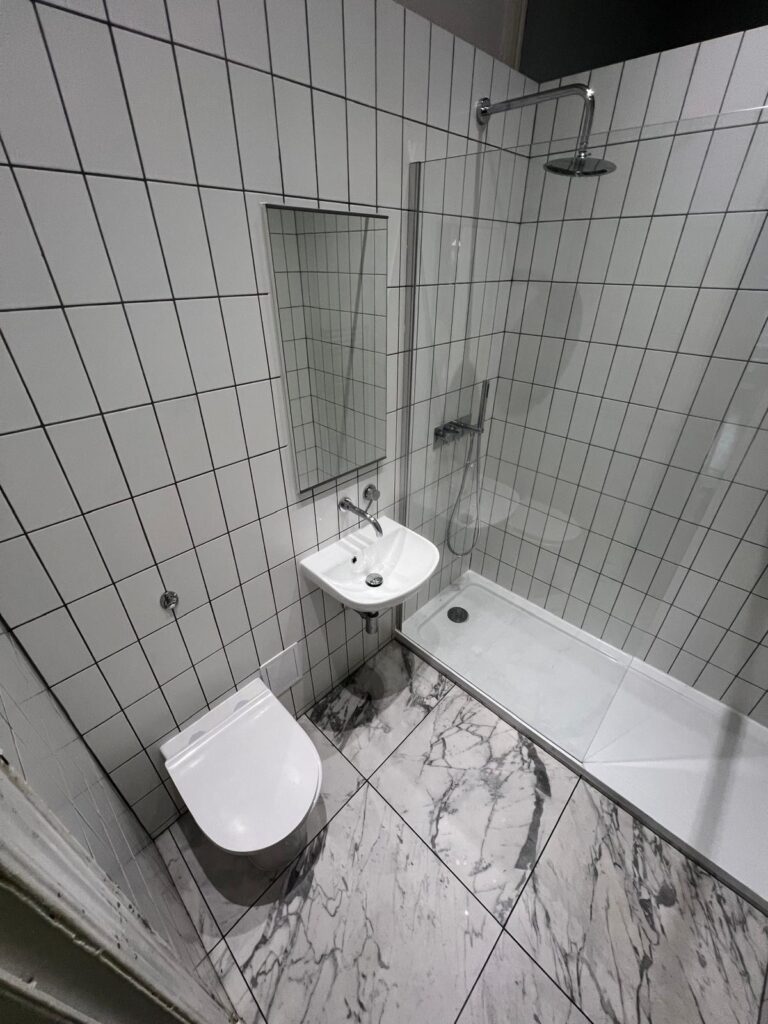
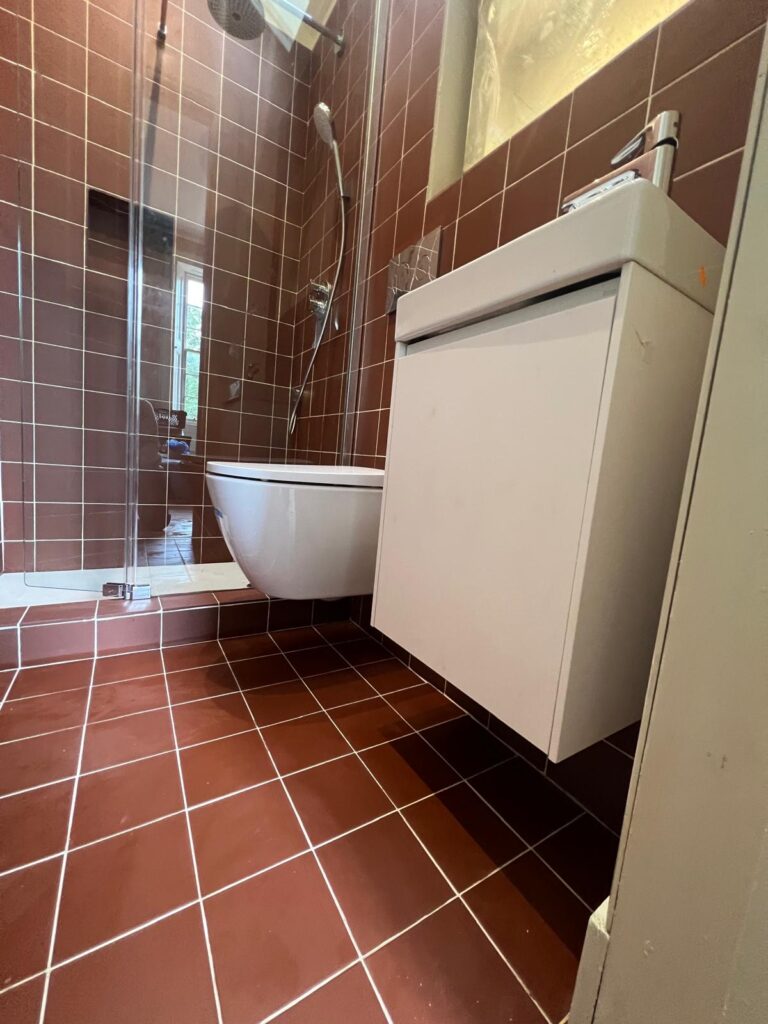
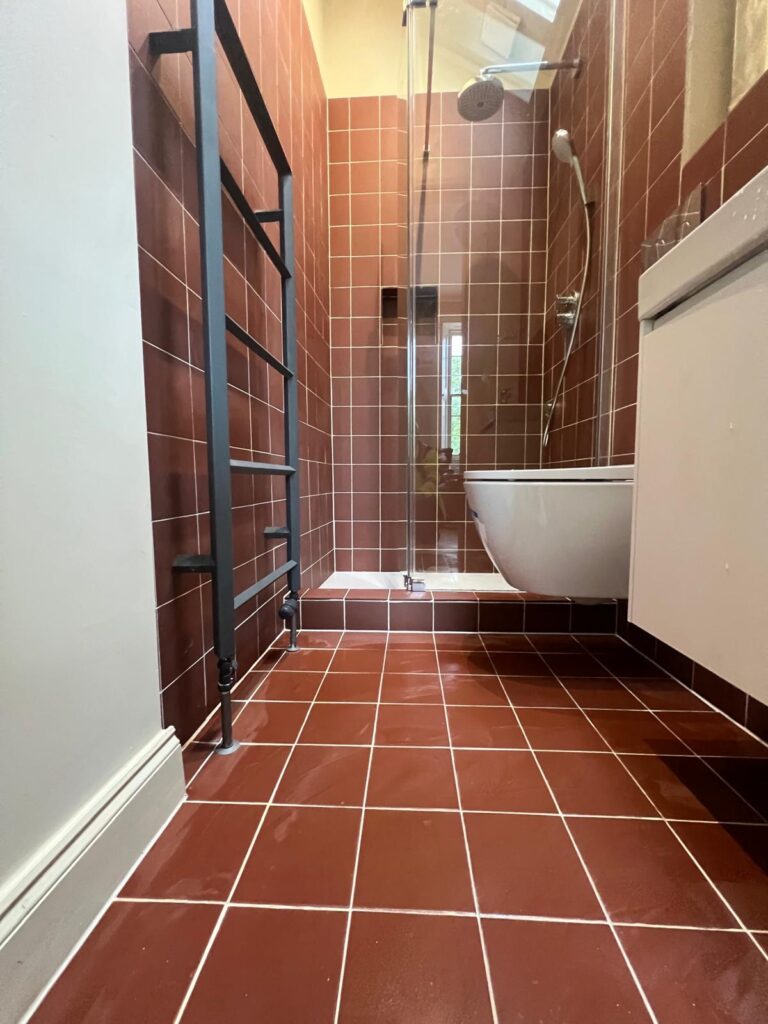
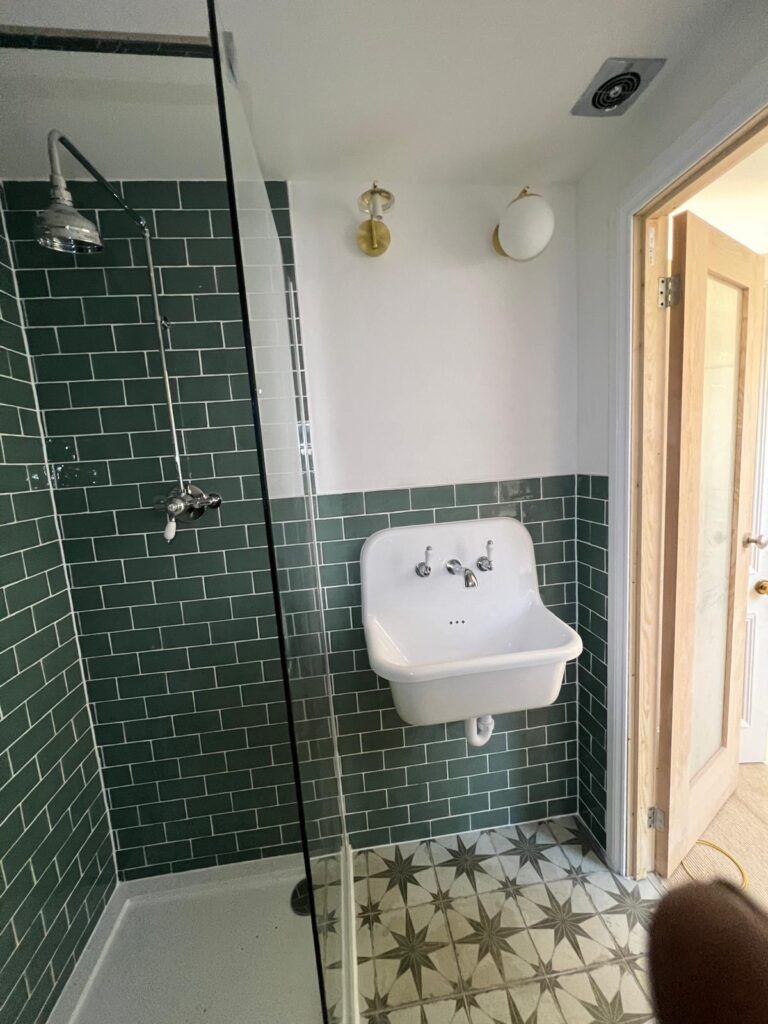
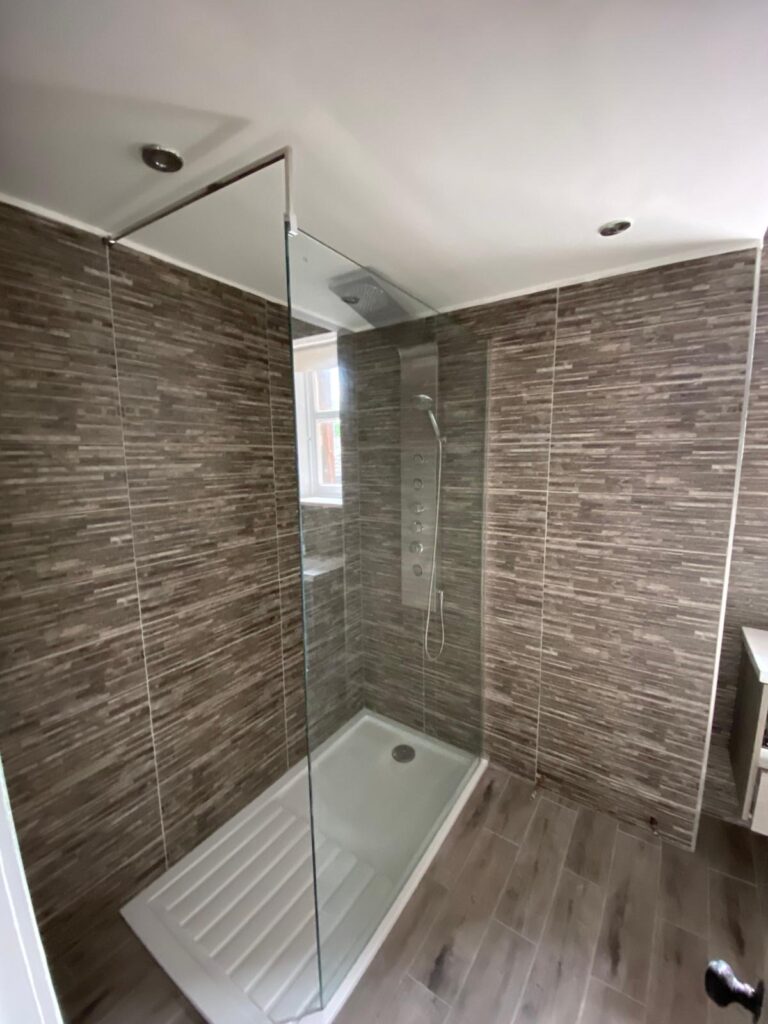
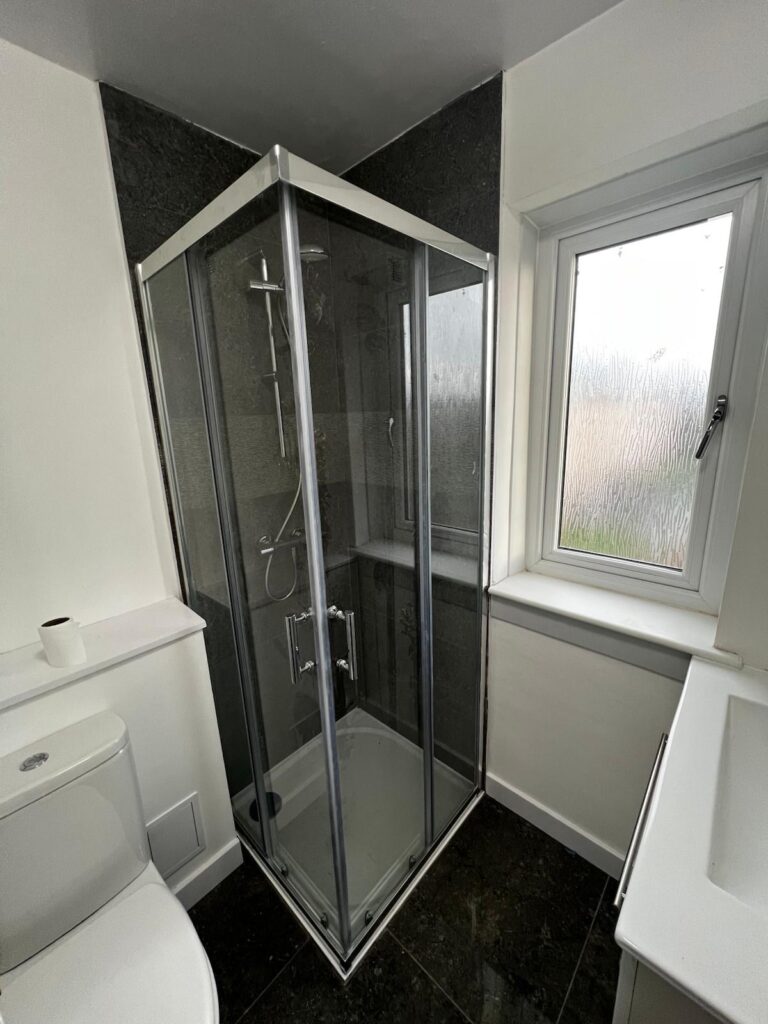
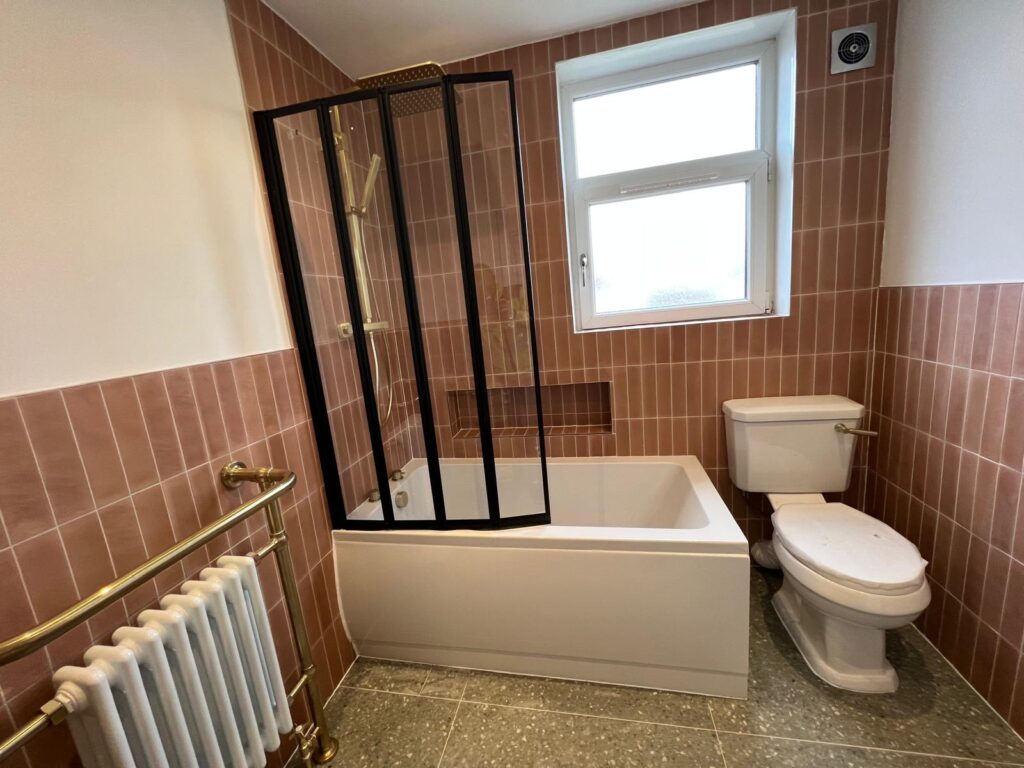
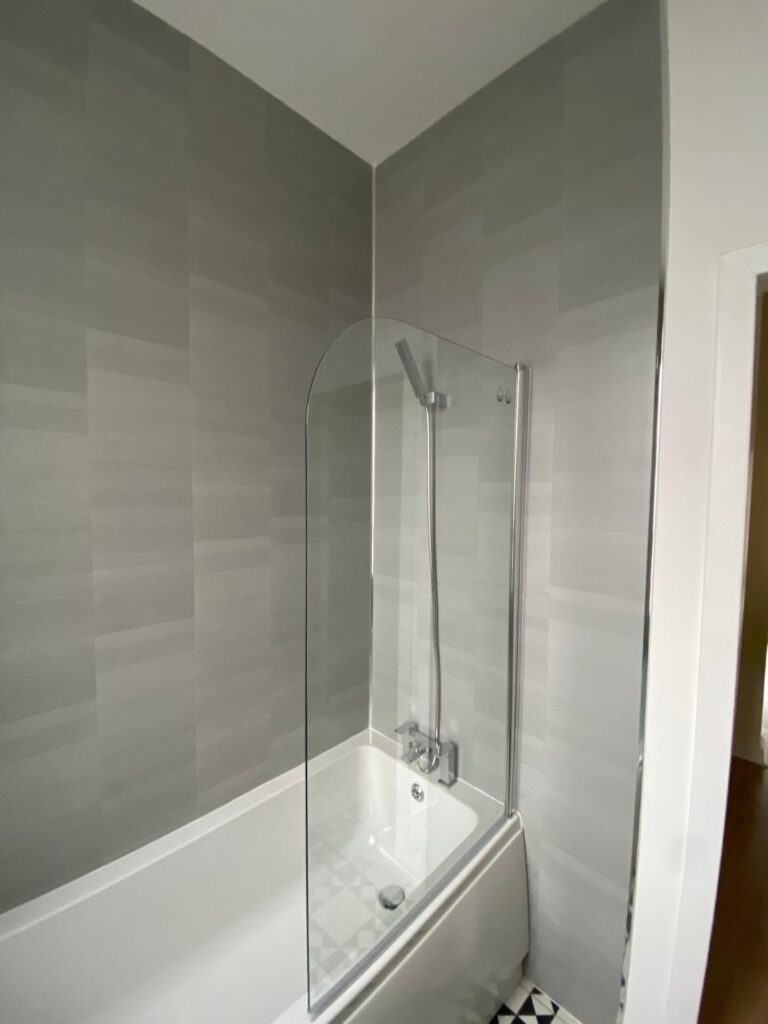
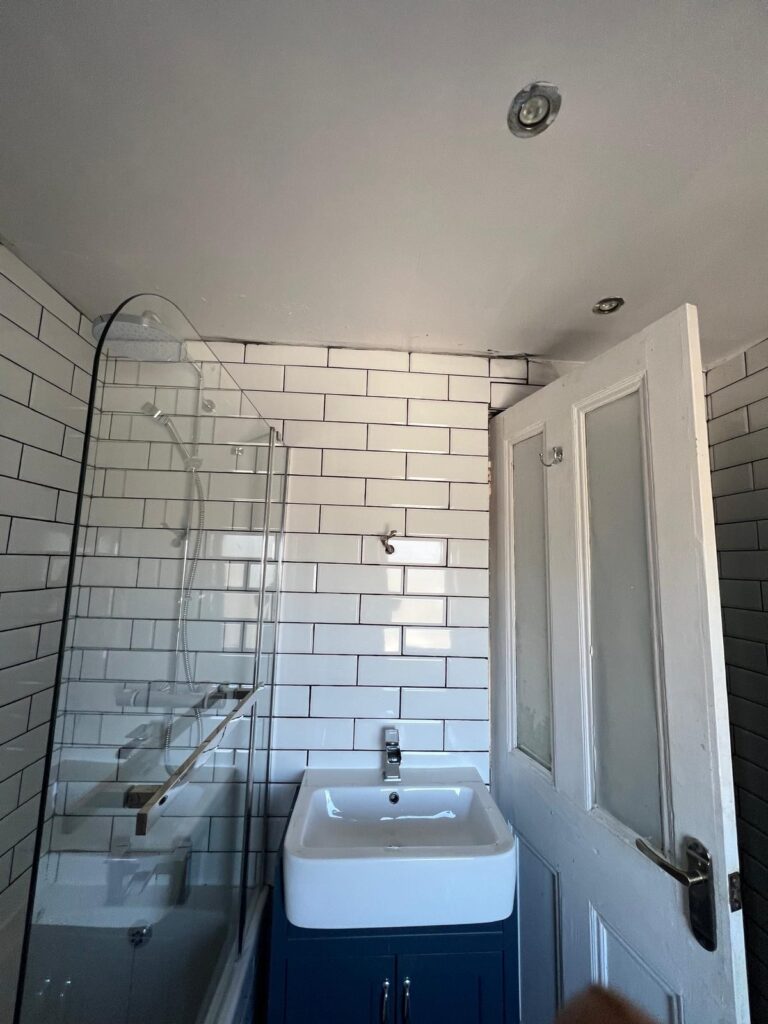
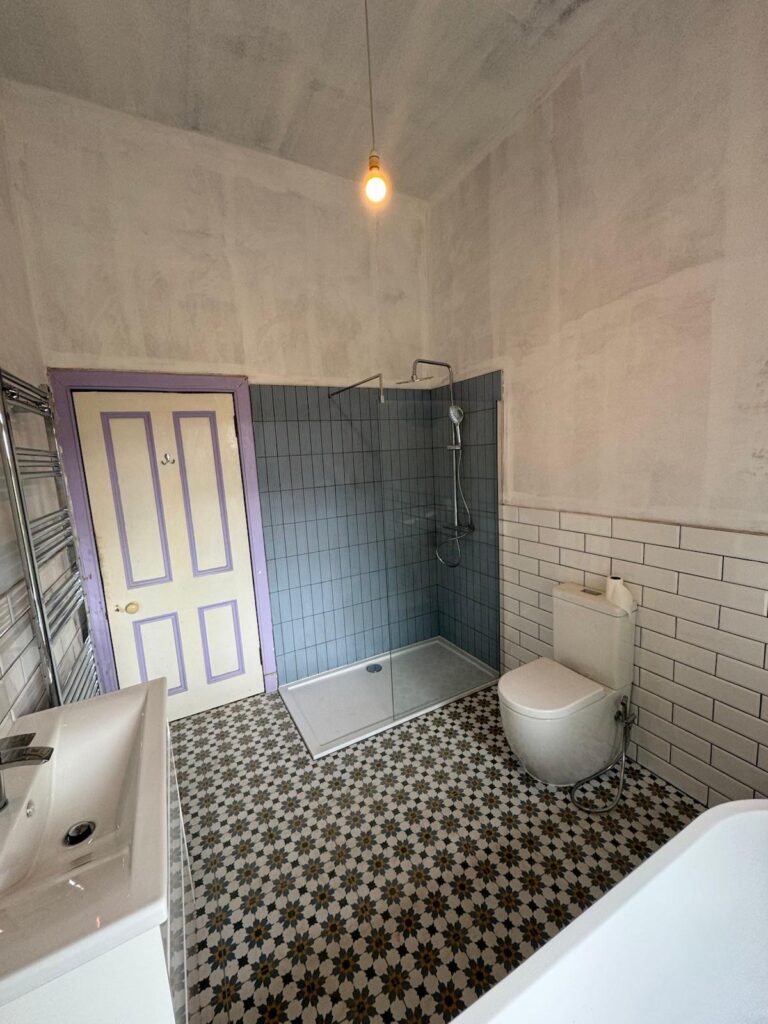
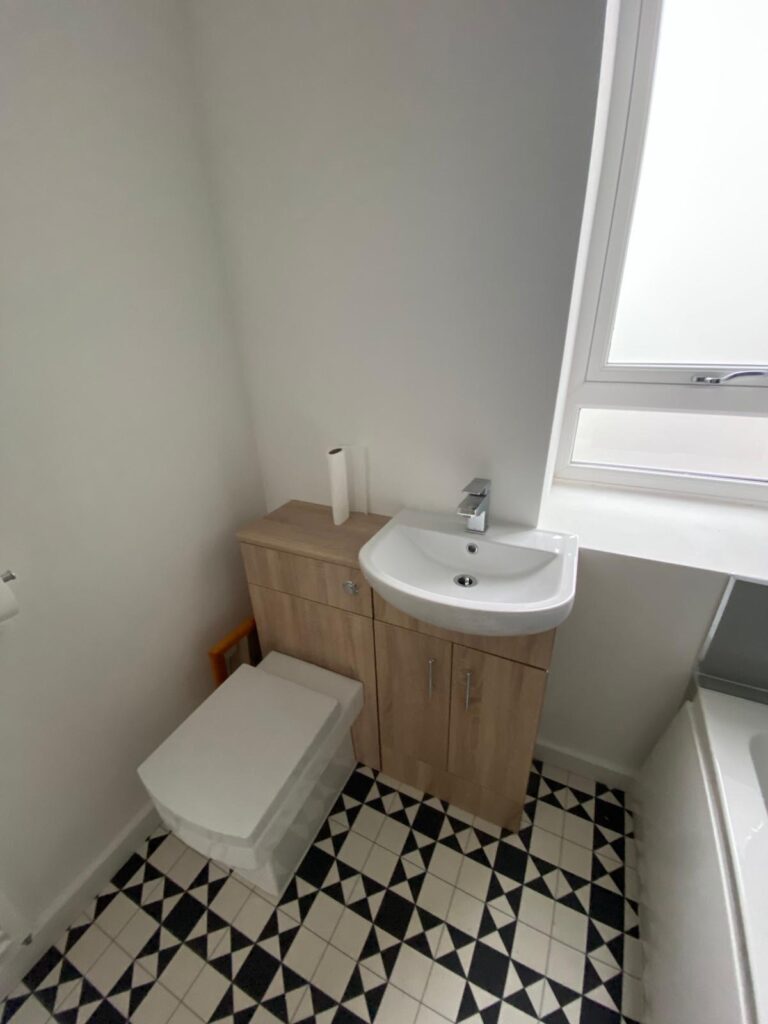
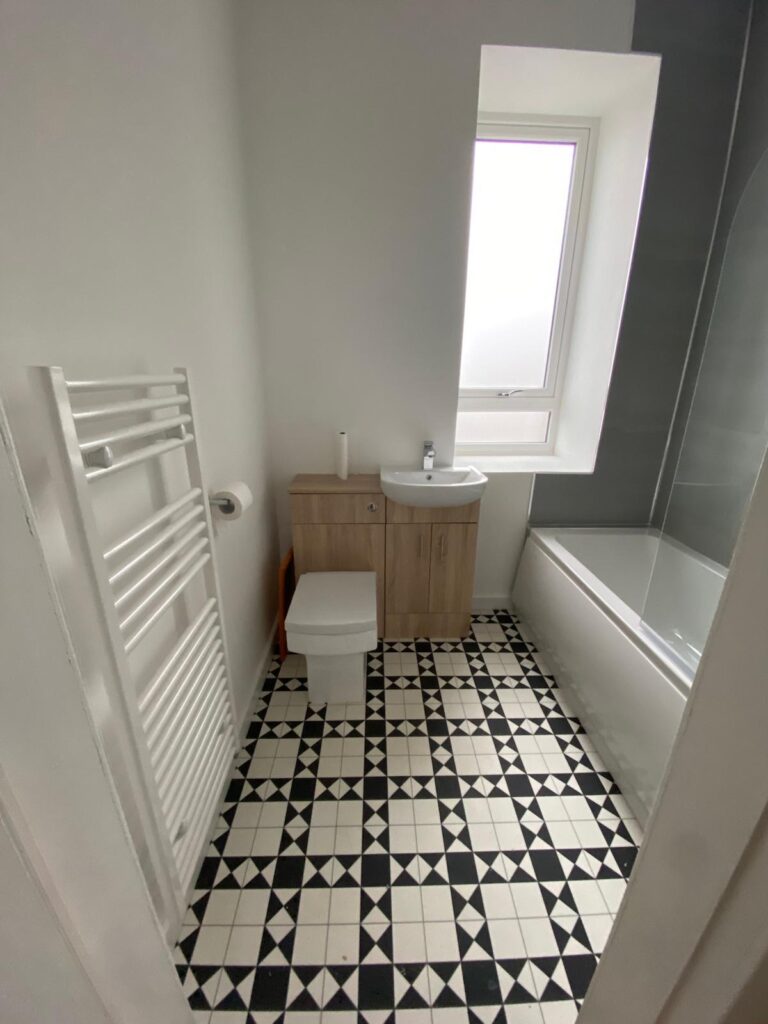
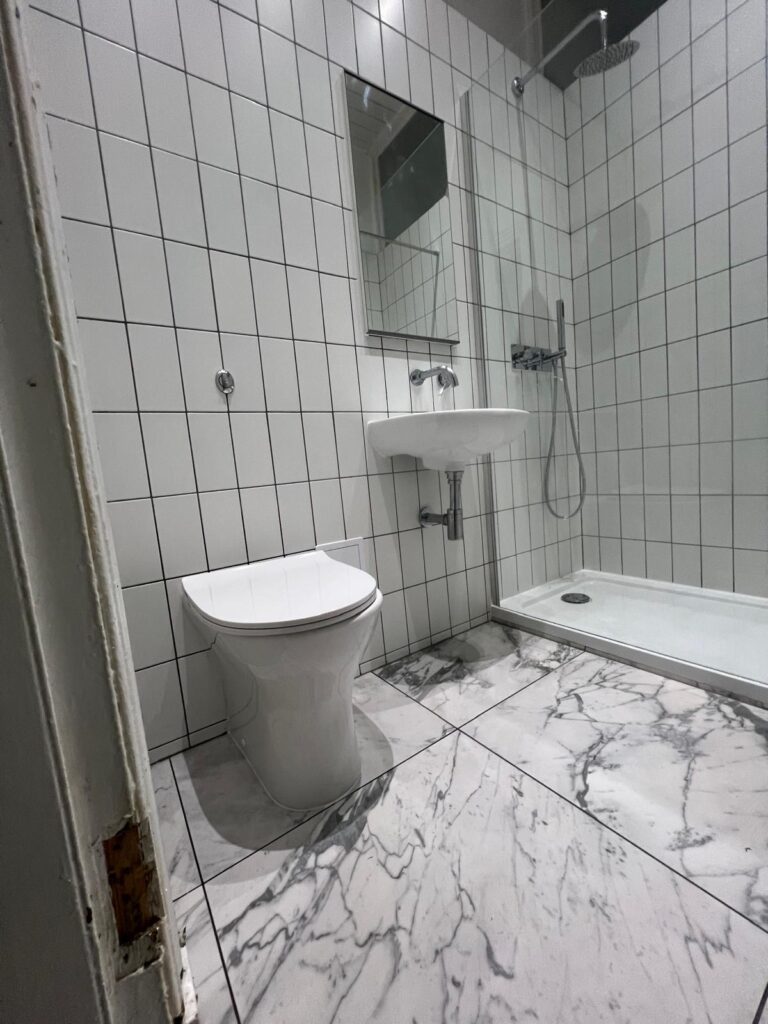
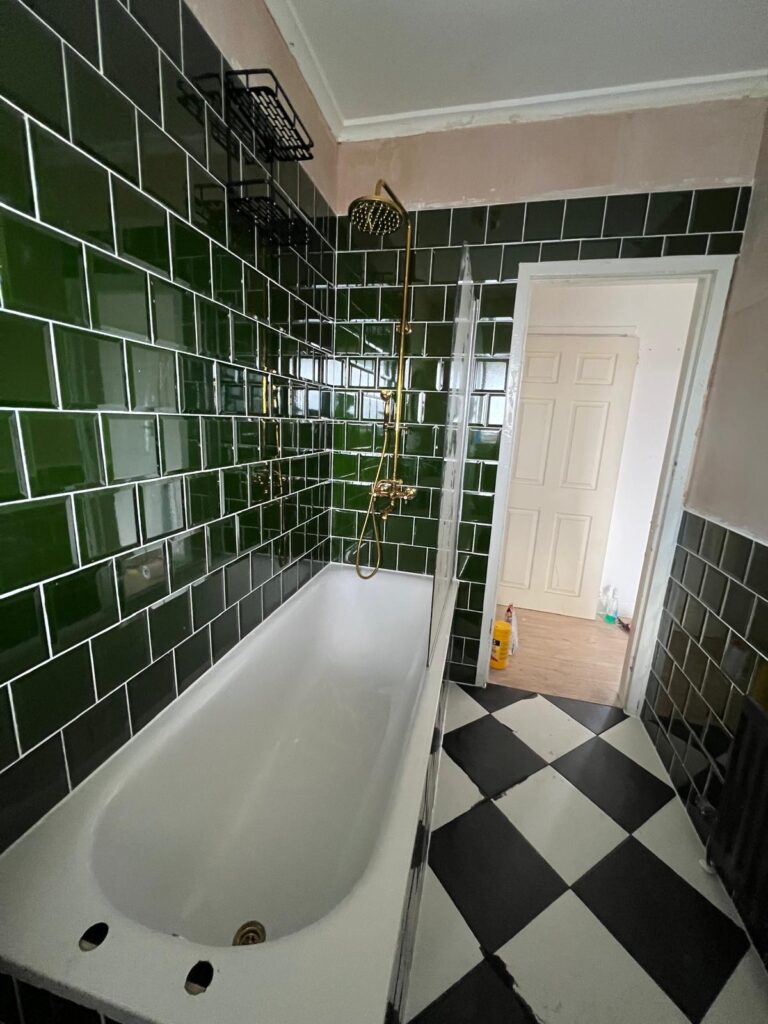
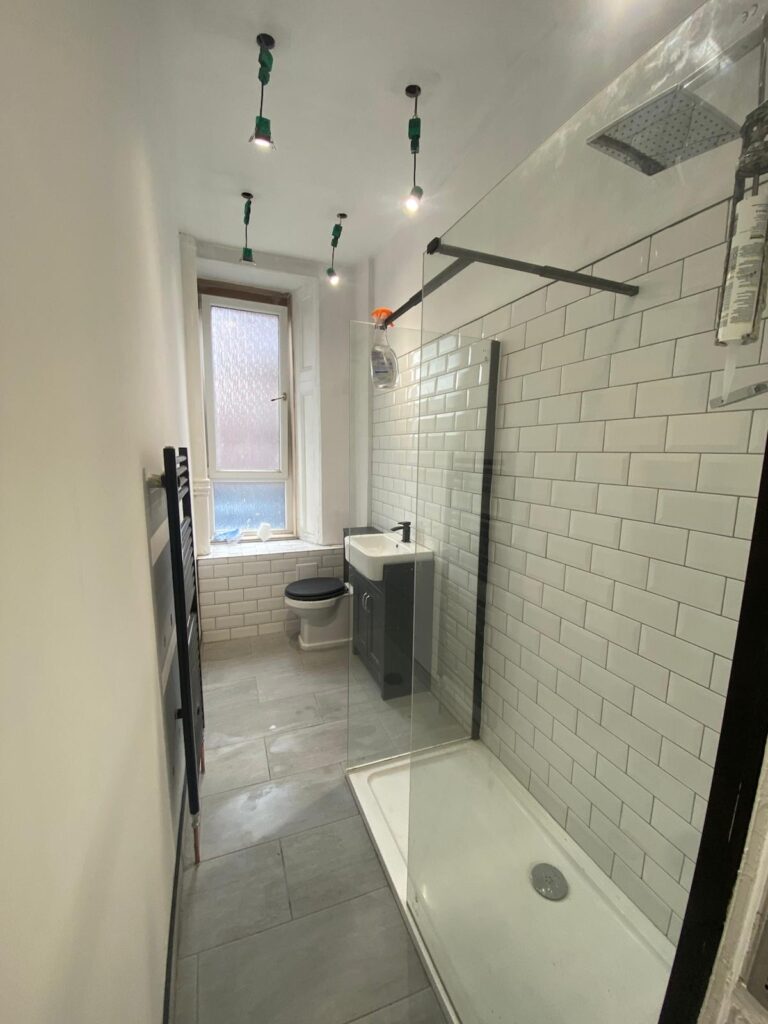
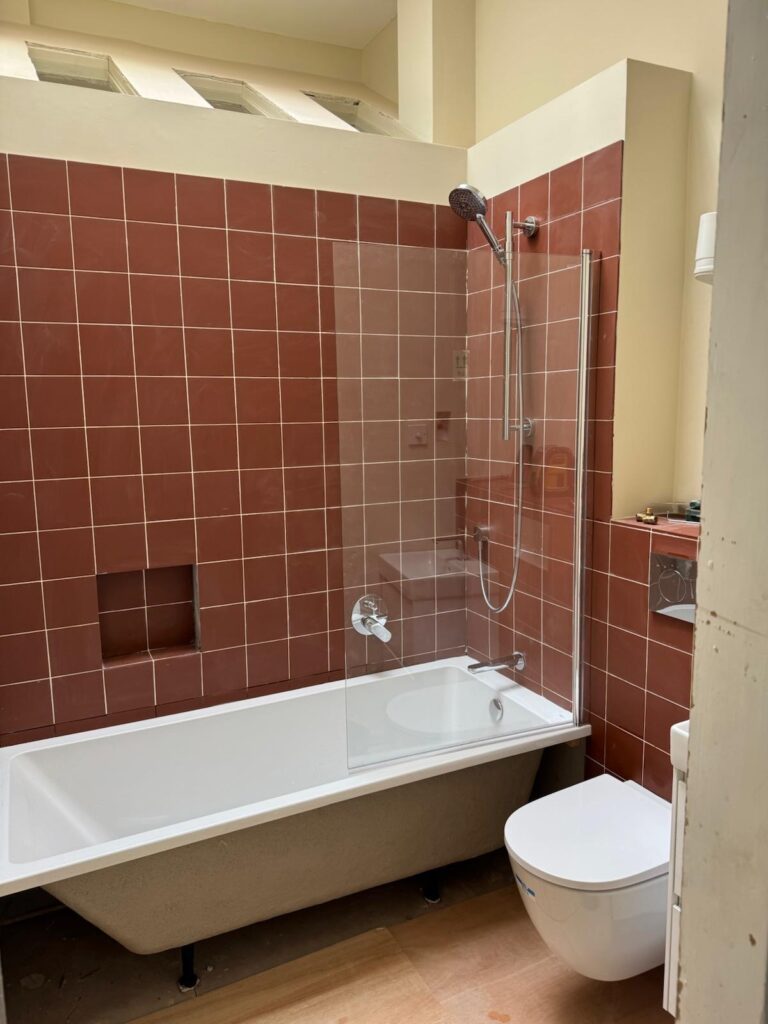
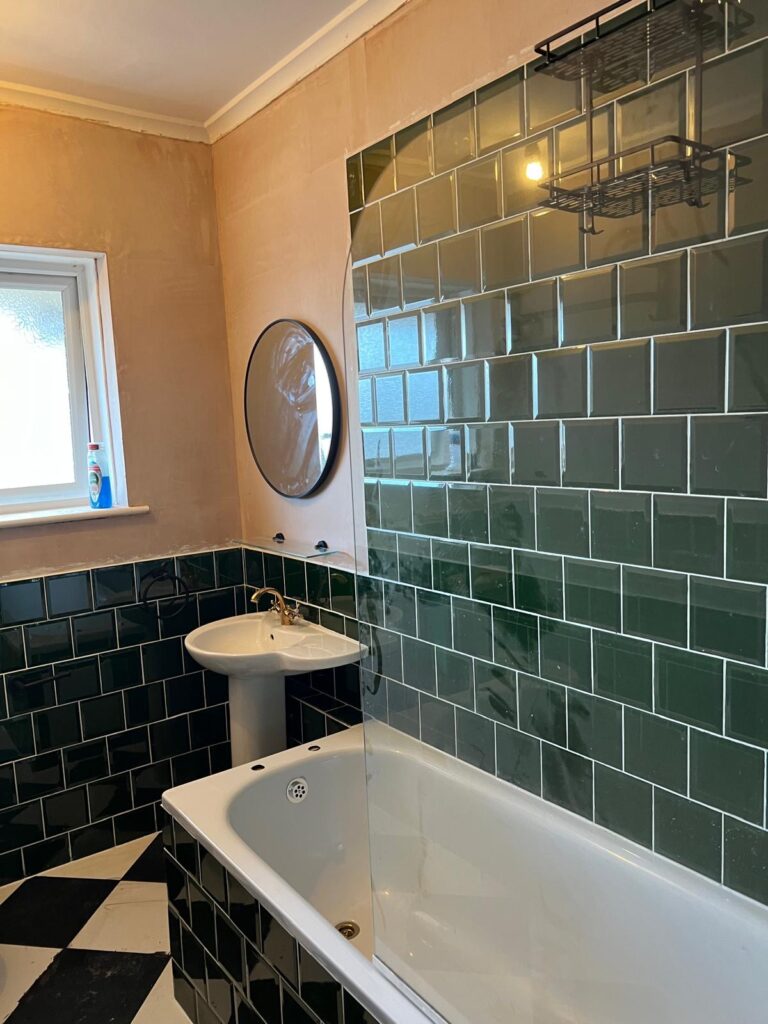
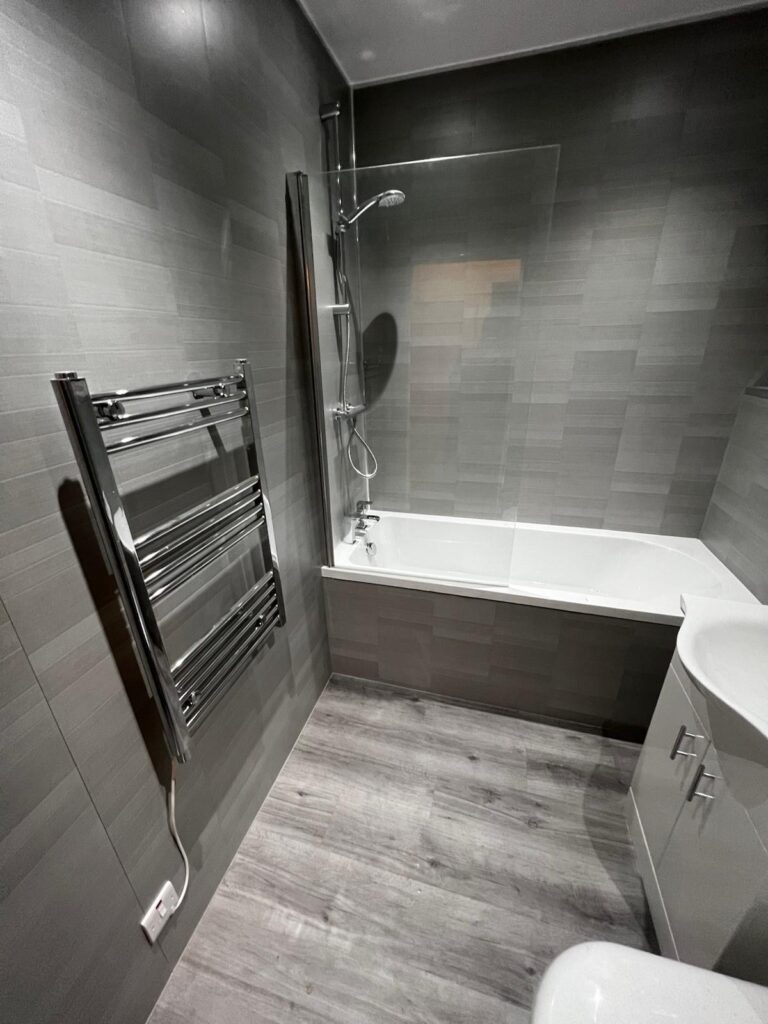
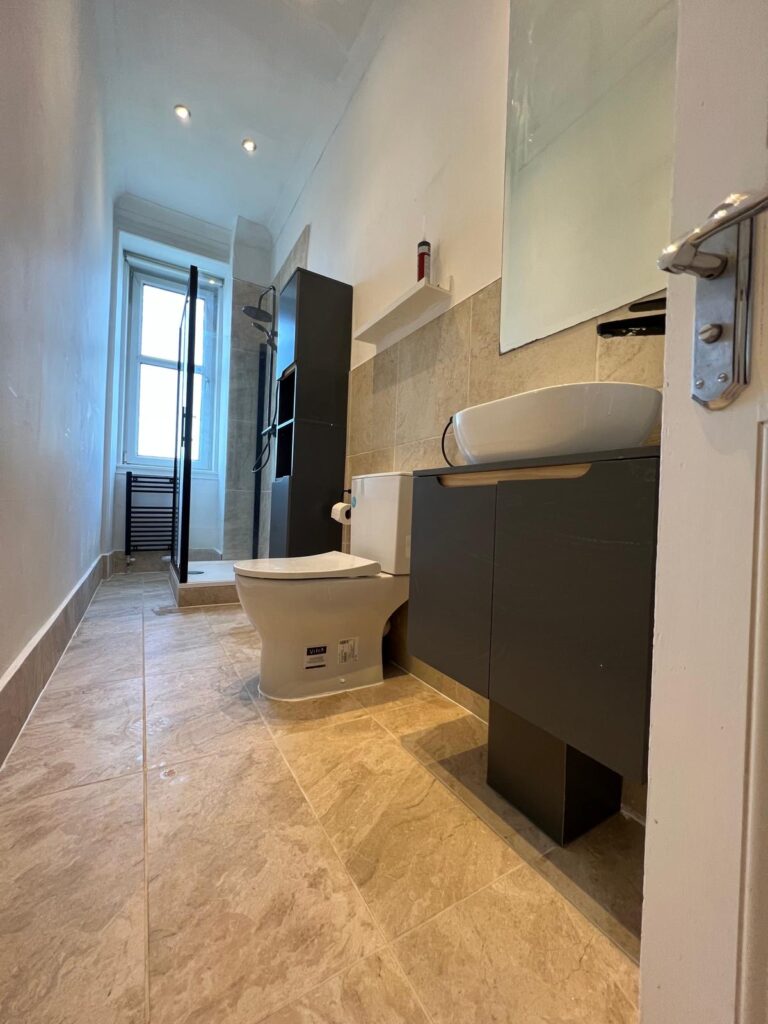
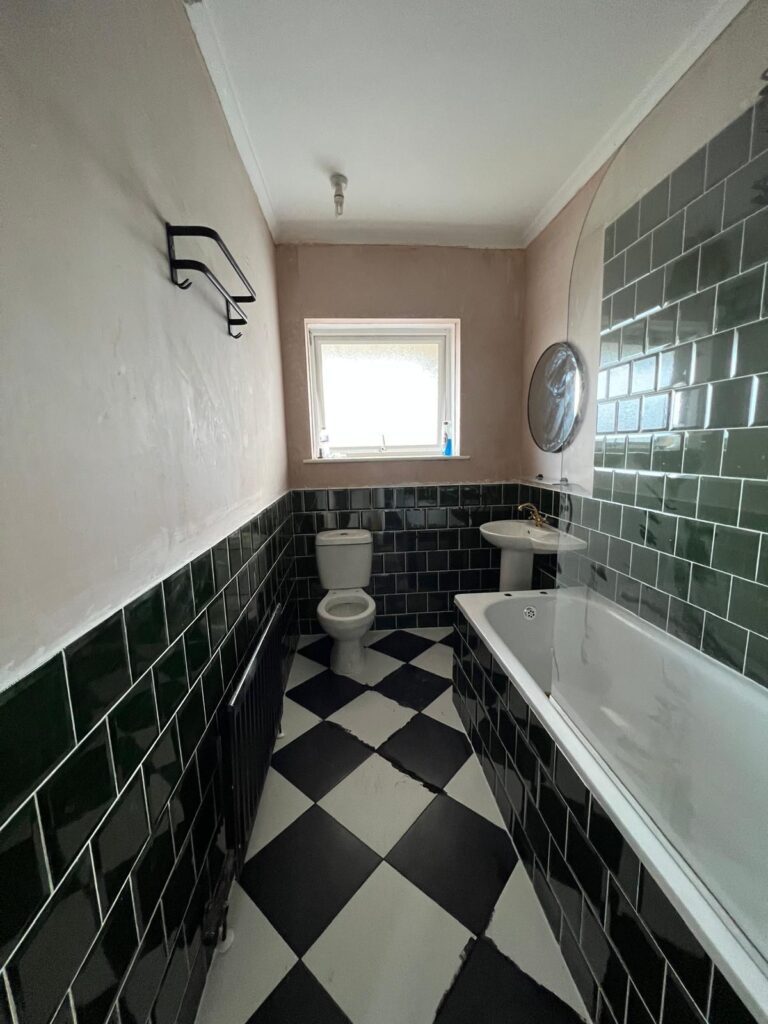
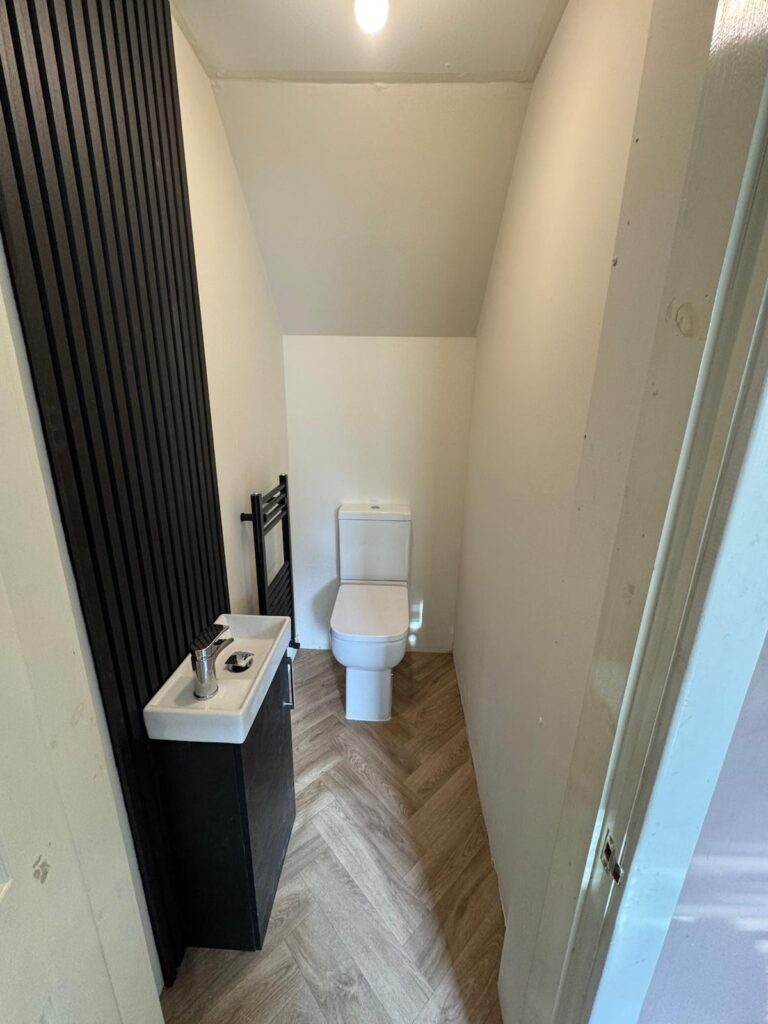
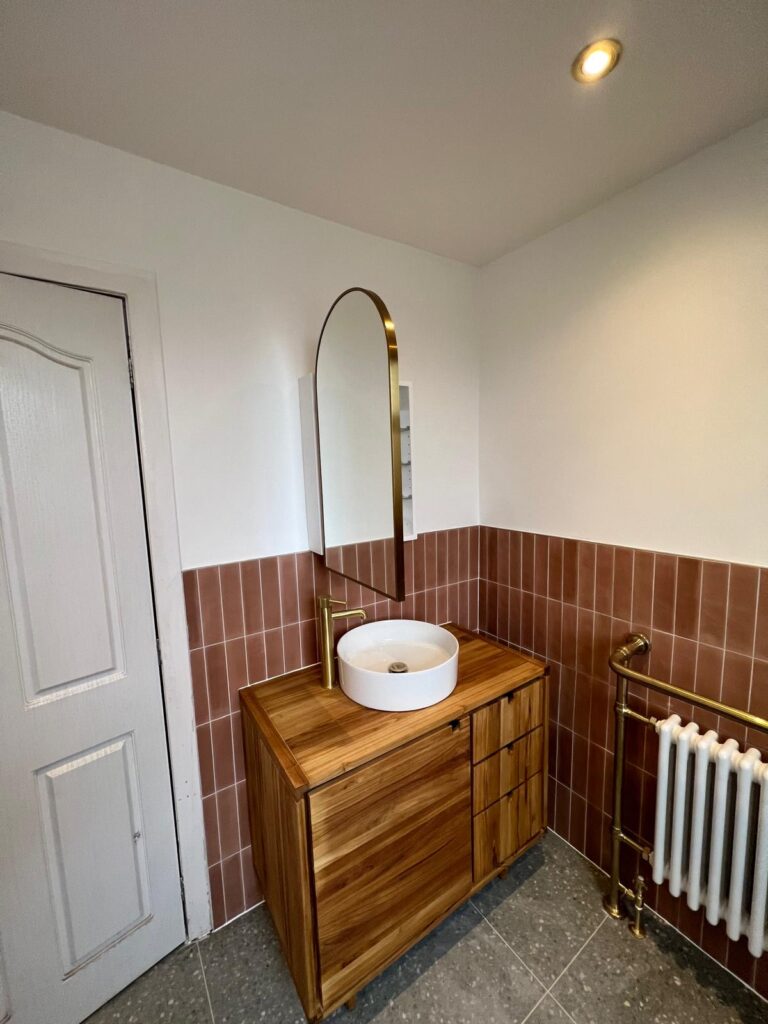
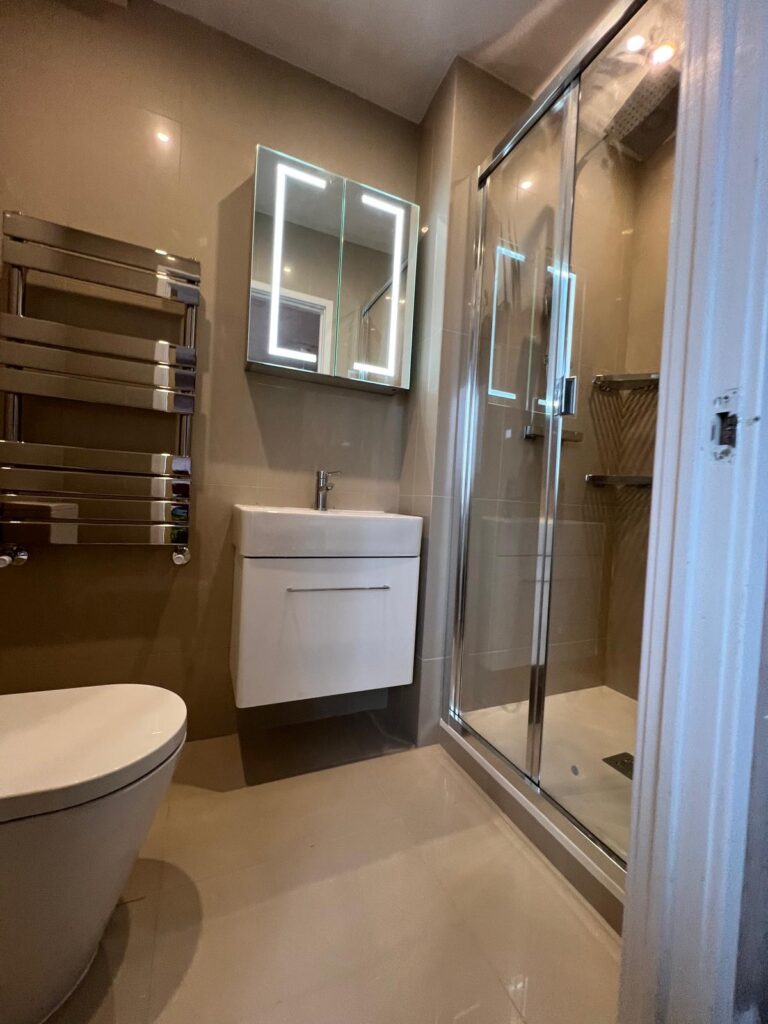
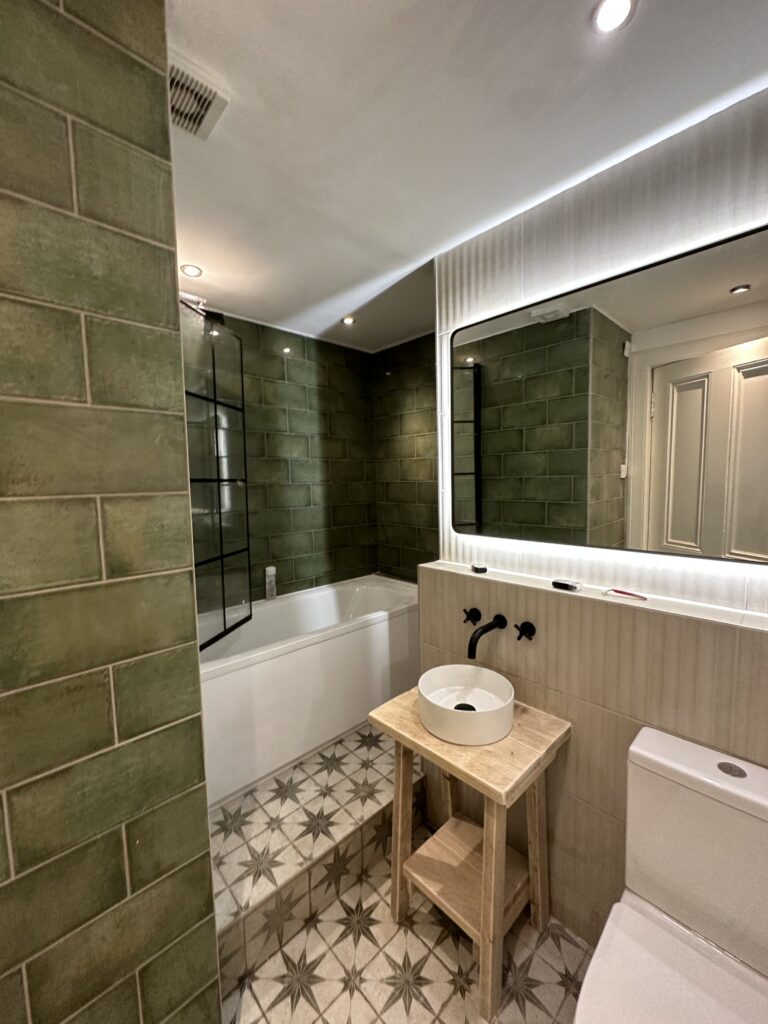
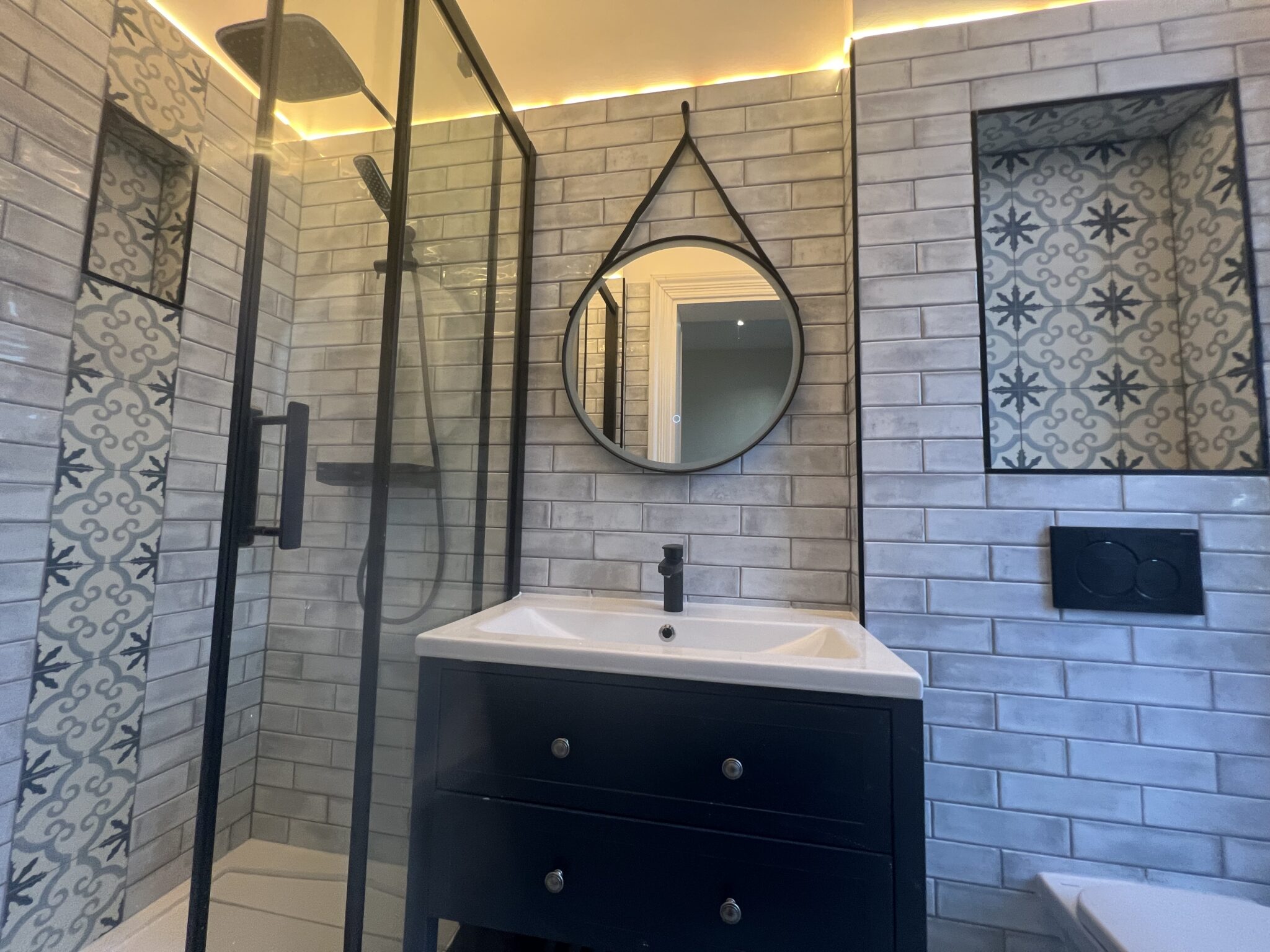
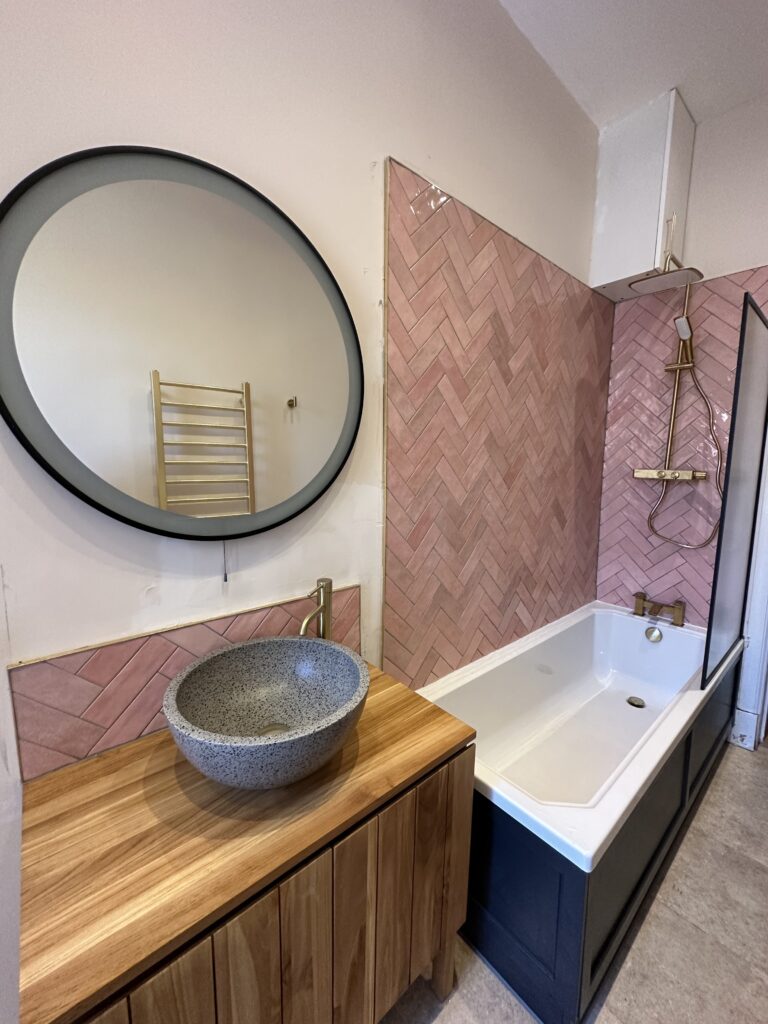
Browse our recent bathroom renovations across Glasgow. Every photo below is from a real HomeDecorZone project — no stock images. Styles range from modern walk-in showers and wet rooms to period tenement bathrooms and luxury en-suites.